AI Is Officially a Money Pit as Tech Giants Realize Humans Are Actually Cheaper
Corporate geniuses just realized that burning trillions on fancy autocomplete bots is somehow less efficient than paying a regular human. Yes, the massive AI bubble is starting to leak some very expensive reality.
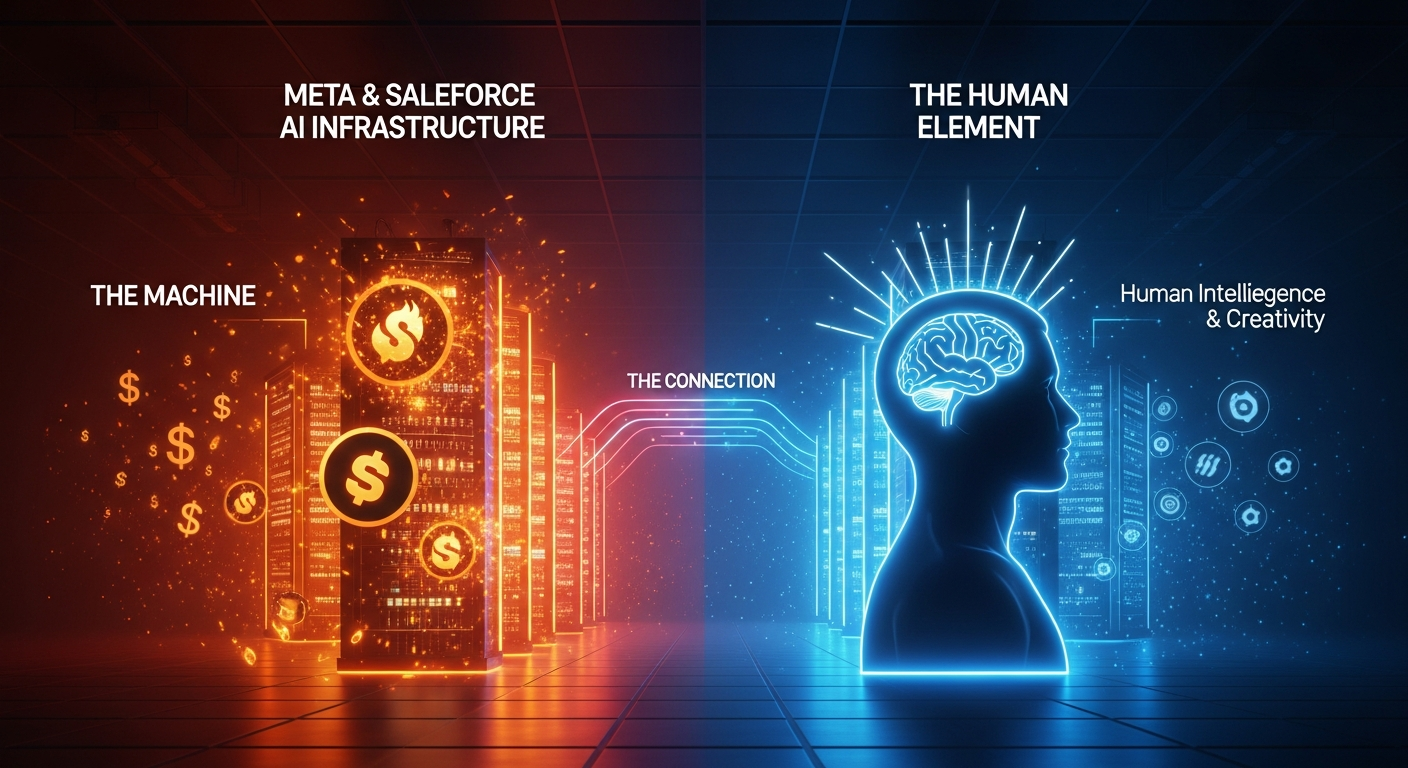
Global spending on AI is projected to spike by 13% this year, pushing the total past a mind-numbing 6 trillion dollars. Tech executives are throwing money at servers like teenagers at a concert, yet the actual return on investment remains a massive question mark. Instead of revolutionary automation, companies are finding themselves with astronomical cloud bills and systems that still need humans to double-check their math.
Much of this financial black hole comes down to token consumption. In places like Meta, buying and processing tokens has turned into a corporate virtue-signaling contest, where spending more on model queries is equated with being "progressive" and future-proof, regardless of whether it actually improves the product.
To cope with the chaos, companies like Salesforce have resorted to building custom metrics just to measure how much money their AI tools are wasting. Ironically, managing and tracking these complex efficiency metrics has only created an entire new layer of bureaucratic work for IT departments, meaning humans are now working overtime just to babysit the machines that were supposed to replace them.
The tech industry spent years dreaming of a human-free future, only to build an over-engineered Rube Goldberg machine that costs billions more than a standard office salary. Trillions of dollars later, turns out paying a living wage to an actual person is the ultimate life hack for corporate budgeting.
Comments
Help shape the next version: Add context or suggest a correction. AI review can add points toward a rewrite. Reviews and updates may take time; a full meter does not guarantee a new version.