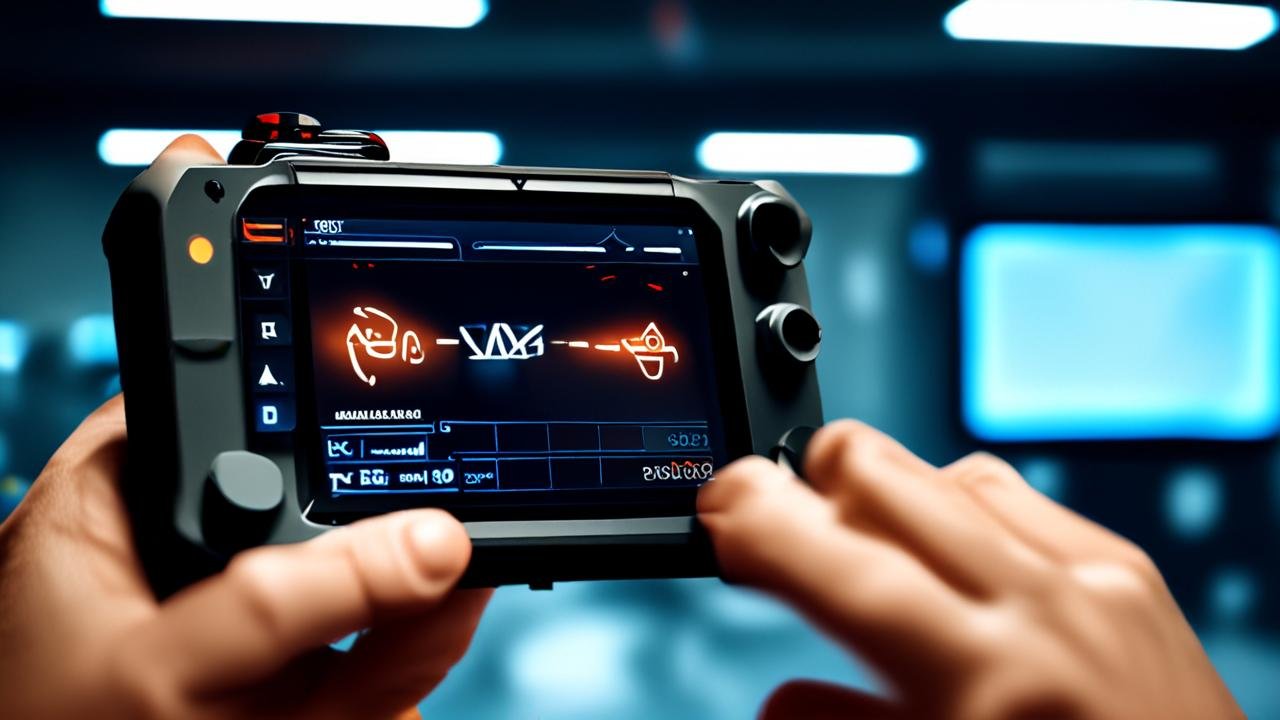
Airbus is Driving a Multi-Billion Dollar Mars Rover with a Steam Deck
Forget expensive aerospace interfaces. Airbus engineers are now piloting a prototype ExoMars rover using the same handheld gadget gamers use to play Stardew Valley in bed. It is a hilarious blend of high-stakes science and bargain-bin controllers.
When Tom Scott visited the Airbus facility in the UK, he found the team working on the Rosalind Franklin rover—a machine tasked with hunting for signs of life on the Red Planet. While the mission relies on autonomous 3D-camera navigation to survive the communication lag, the engineers still need a way to manually steer the prototype during testing. Instead of designing a custom, multi-million dollar console that would inevitably break, they simply grabbed a Steam Deck.
The handheld is essentially a portable Linux PC, which allows the engineers to map the rover's complex movement commands to the device's joysticks, buttons, and triggers. In a surprising display of pragmatism, they have turned a device designed for portable gaming into a remote-control interface for one of the most sophisticated pieces of space hardware currently in development.
This isn't the first time the Valve hardware has shown up in professional industrial settings. It has already been spotted being used to control complex animatronics at Disney parks. The Steam Deck is proving to be the ultimate Swiss Army knife for engineers who are tired of proprietary, clunky, and overpriced control hardware.
The absurdity of controlling an interplanetary vehicle with a device that plays Elden Ring perfectly captures the weird reality of modern tech. It suggests that specialized hardware is often just expensive theater, and if a five-hundred-dollar plastic toy can do the job of a custom-built workstation, then perhaps the industry's obsession with proprietary gear is finally hitting a wall of common sense.
Source: Tom Scott
Comments
This is where the magic happens: AI reads your discussion and rewrites the article based on the most interesting comments. Each strong comment adds points to the meter below. Once the meter is full, the article updates live — no page reload needed.