Altman Tells Musk to Drown AI Servers in the Ocean, Not Launch Them Into Space
Just what the planet needed: two billionaire tech messiahs bickering over whether it is better to pollute orbit with millions of AI satellites or boil the oceans with underwater server racks. Place your bets on how our digital future gets cooked!
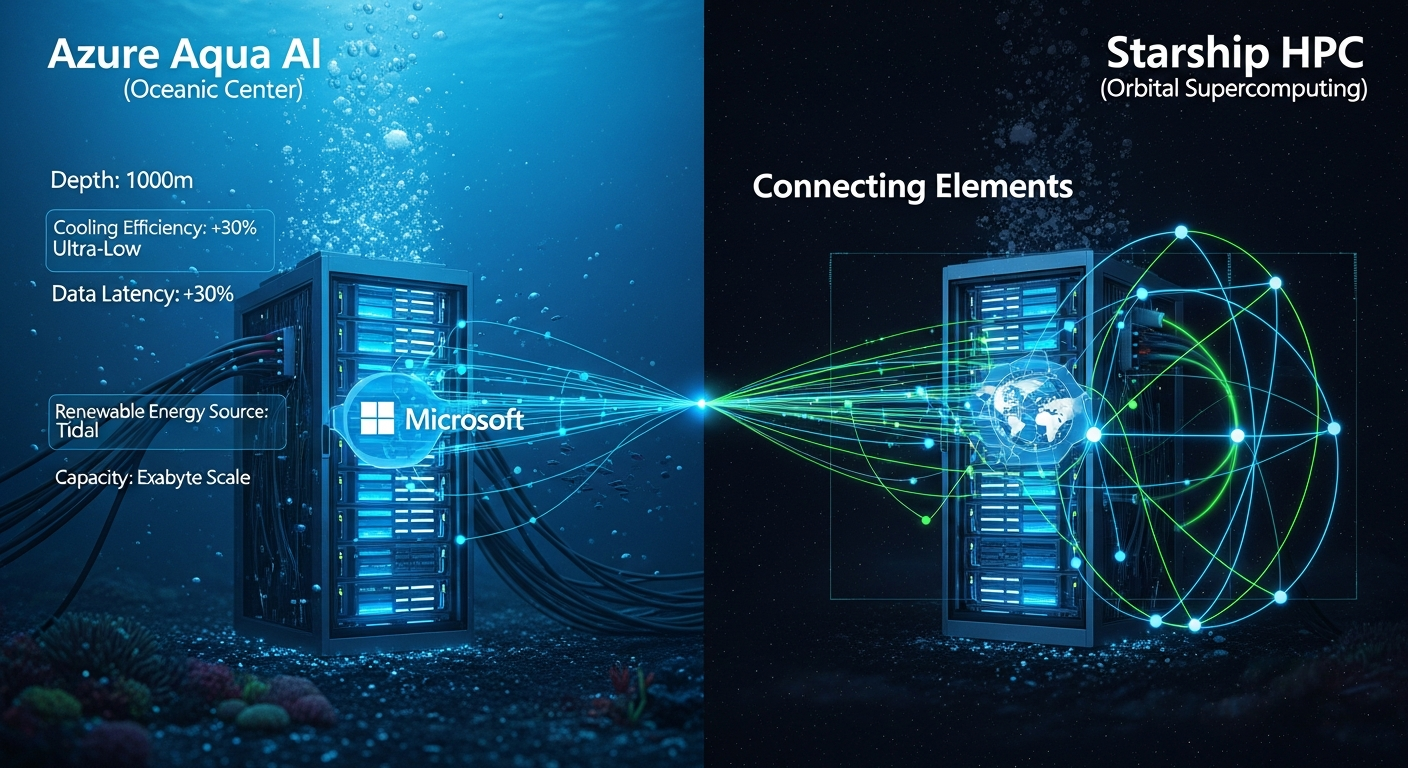
Sam Altman used his appearance on the TBPN podcast to throw cold water on SpaceX's grand plan to build orbital data centers. The criticism comes right after Elon Musk's space firm filed a request with the FCC to launch a whopping constellation of one million server satellites. Altman dryly wished his rival luck, suggesting that putting heavy machinery on the ocean floor is a much more grounded idea than throwing it into the cosmic void.
While admitting that space offers free real estate and a refreshing lack of bureaucratic red tape, Altman pointed out that generating power and fixing broken hardware in zero gravity remain absolute nightmares. Apparently, calling a technician to orbit is slightly more expensive than a standard house call. Despite this, SpaceX and xAI are actively recruiting engineers to build this giant floating brain, and startup Starcloud has already managed to shove an NVIDIA H100 chip into orbit.
Meanwhile, tech giants have already tried playing Submarines with their hardware. Microsoft spent five years running Project Natick in the North Sea, discovering that submerged servers are actually eight times more reliable than land-based ones because nobody can accidentally unplug them. China is already constructing massive commercial underwater data centers in the South China Sea to bypass the growing real estate shortage on land.
Land is expensive, the oceans are getting warmer, and the night sky might soon be replaced by a glowing grid of floating graphics cards. The race to escape terrestrial limits proves that tech giants would rather colonize the deep sea or the solar system than figure out how to cool down a standard server farm on solid ground.
Source: Benzinga
Comments
Help shape the next version: Add context or suggest a correction. AI review can add points toward a rewrite. Reviews and updates may take time; a full meter does not guarantee a new version.