AMD kicks Linux out of free Vivado FPGA tier because "70% use Windows anyway"
Oh, look, another corporate giant deciding that open-source enthusiasts don't deserve nice things for free. If you love building custom hardware on your favorite penguin-powered OS, prepare to open your wallet or enjoy outdated bugs.
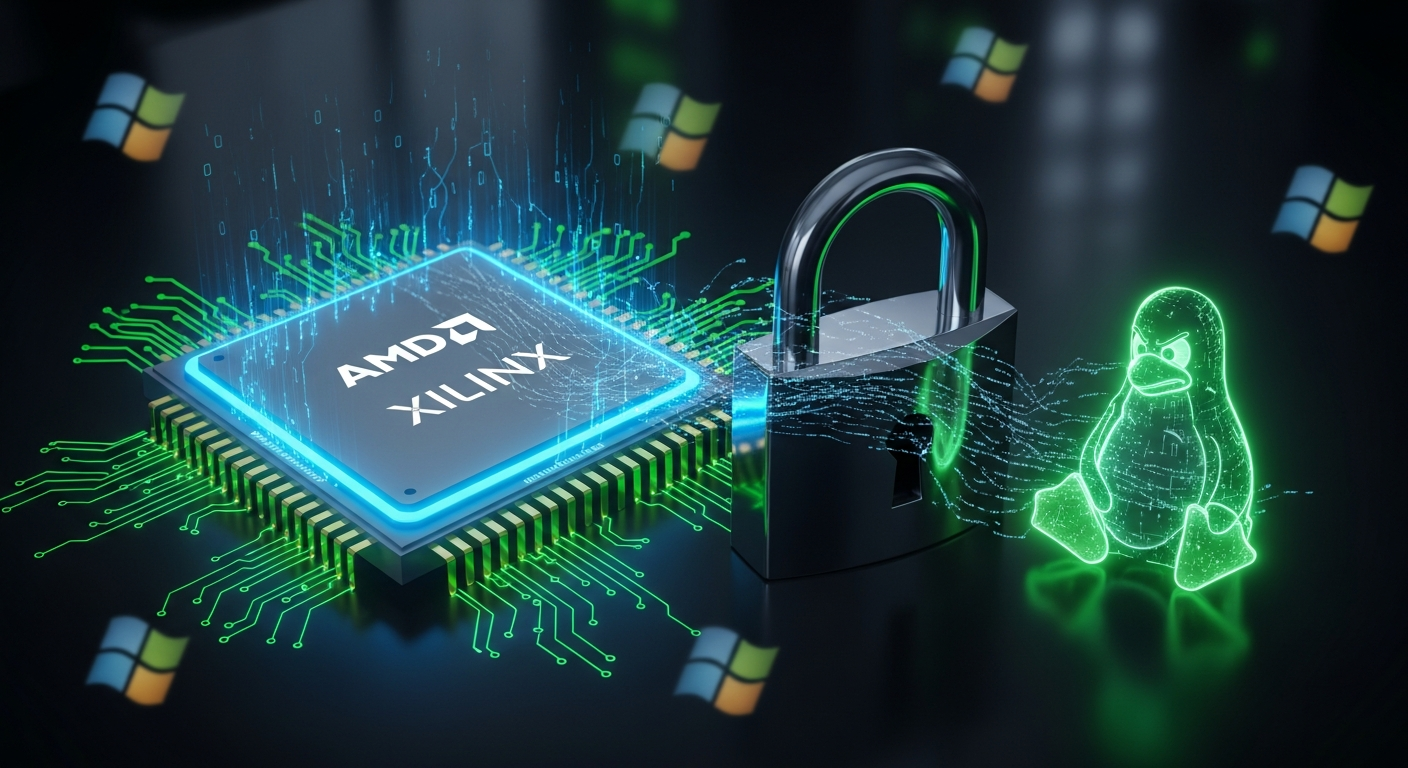
The semiconductor giant AMD has decided to shake up how developers license Vivado, the essential software suite used to program their FPGA chips. Starting with the upcoming version 2026.1, the free "Basic" tier is officially stripping away support for Linux, leaving open-source hardware hackers out in the cold.
According to the company's support forums, the decision boils down to a classic corporate calculation: their internal surveys show most of their clients are still happily clicking away on Windows. Apparently, maintaining a free Linux package for the remaining minority was just too much of a strain on their multi-billion-dollar budget.
For those who refuse to surrender to Microsoft, AMD suggests staying on the older Vivado 2025.2 version. This release doesn't require a license, but it will only receive official support until version 2026.3 launches, after which any remaining bugs will become permanent "features" of your development environment.
Meanwhile, the open-source community is trying to route around these corporate roadblocks with projects like TornadoVM 2.0.0. This recently updated tool lets developers run Java applications across diverse hardware, including both Intel and Xilinx FPGAs, without begging big tech for a license.
It is truly fascinating to watch hardware giants acquire highly flexible, open-architecture chip companies just to gatekeep them behind restrictive licensing models. The message is loud and clear: if developers want to build the future of hardware on an open-source OS, they had better be ready to pay corporate taxes.
Source: AMD
Comments
Help shape the next version: Add context or suggest a correction. AI review can add points toward a rewrite. Reviews and updates may take time; a full meter does not guarantee a new version.