Blue Origin's New Glenn Just Exploded, Taking the Moon Mission With It
It turns out Jeff Bezos’ rocket hobby is getting a bit too literal with the firework displays. The latest New Glenn static fire test turned into a very expensive bonfire, proving once again that rocket science is, in fact, quite difficult.
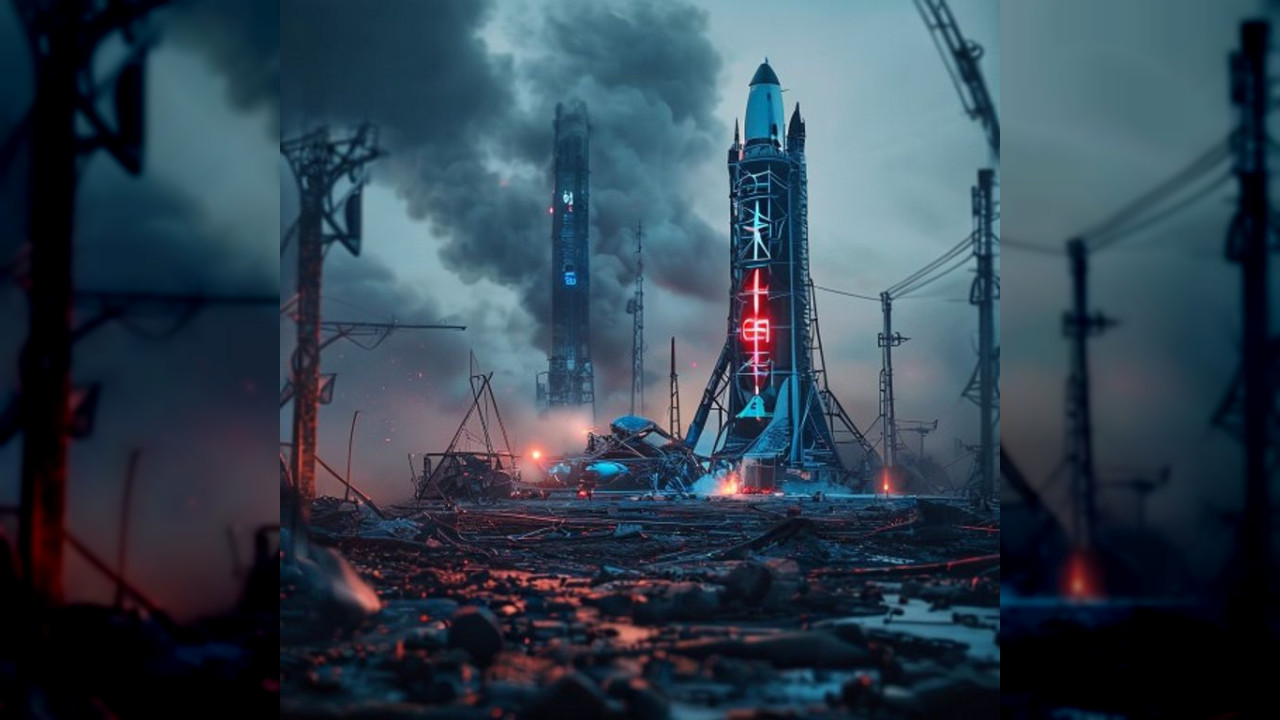
The New Glenn heavy-lift vehicle was fully fueled for a routine static fire test on the evening of May 28, 2026, when a massive blast obliterated the rocket and decimated the LC-36 launch pad. While Blue Origin is currently calling this an 'anomaly'—because corporate PR departments are terrified of the word 'kaboom'—the physical reality involves a destroyed launch tower and a totaled transporter-erector platform.
Jeff Bezos, a male, took to X to confirm the staff is safe, though the infrastructure is clearly not. This isn't just a burnt piece of metal; the facility took over a billion dollars and nearly a decade to modernize. The pipeline and cabling systems are likely toast, leaving the company with a giant, smoking hole where their only launch site used to be.
The timing couldn't be worse for NASA's Artemis program. The space agency was counting on Blue Origin and SpaceX to test docking maneuvers with Orion, not to mention the planned delivery of autonomous lunar cargo. With the first launch now effectively vaporized, the goal of putting boots back on the moon might slide well into 2029. Even the fallback plan to rely solely on SpaceX's Starship is currently grounded, turning the lunar roadmap into a very expensive game of musical chairs.
This is exactly what happens when billionaires treat space exploration like a secondary side-quest in their portfolios. When the 'most reliable' hardware turns into shrapnel, the cosmic ambition of Artemis hits a wall of reality that money simply cannot buy off. The audacity to call a total platform deletion an 'anomaly' might be the most impressive engineering feat of the year.
Source: CBS News
Comments
Help shape the next version: Add context or suggest a correction. AI review can add points toward a rewrite. Reviews and updates may take time; a full meter does not guarantee a new version.