How Blue Origin ruined launchpad lobbying for everyone
The space crew of Jeff Bezos just gave a masterclass in why "trust us, our math is totally fine" doesn't work when dealing with giant metal tubes full of explosive liquid gas.
During a static fire test at Cape Canaveral, the fully fueled New Glenn heavy-lift rocket experienced a catastrophic failure, completely destroying the LC-36 launch pad. While Blue Origin hopes to patch things up by 2026, NASA advisor Jared Isaacman thinks the charred playground might not host another launch until 2028.
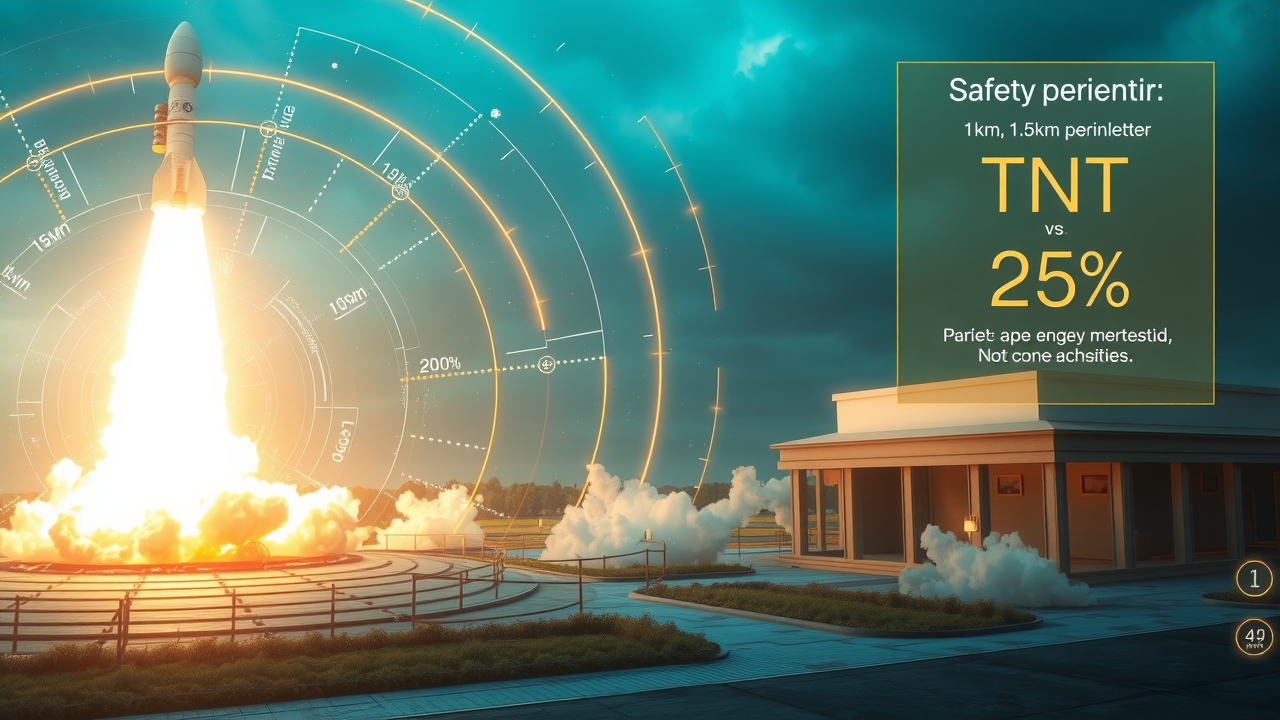
The explosion was so violent that metal chunks rained down up to 800 meters away, and the shockwave shattered windows at the US Space Force museum located a whopping 1.5 kilometers from the pad. It turns out filling a massive rocket to the brim with liquid methane and oxygen creates a rather spectacular firework, much to the dismay of local museum curators.
This spectacular fireworks display crashed a massive corporate lobbying campaign. Private space companies, including Blue Origin and SpaceX, had been aggressively pushing regulators to reduce the official blast hazard rating of methane rockets down to 25% of their TNT equivalent.
Regulators had previously kept the safety perimeter at a conservative 100% TNT equivalent, setting New Glenn’s safe zone at about 1 kilometer. The industry wanted tighter zones to squeeze up to 500 launches a year at Cape Canaveral, but physics had other plans. Now, regulators are looking at Starship's 1.8-kilometer safety zone and wondering if even that is too close for comfort.
Corporate shortcuts once again met the harsh reality of thermodynamics. The dream of parking spaceports right next to business parks and launching rockets like city buses just got pushed back by a decade, leaving billionaires to explain why their math is so spectacularly wrong when things actually go boom.
Source: Ars Technica
Comments
Help shape the next version: Add context or suggest a correction. AI review can add points toward a rewrite. Reviews and updates may take time; a full meter does not guarantee a new version.