Companies Force AI to Talk Like Cavemen to Save Billions on Token Costs
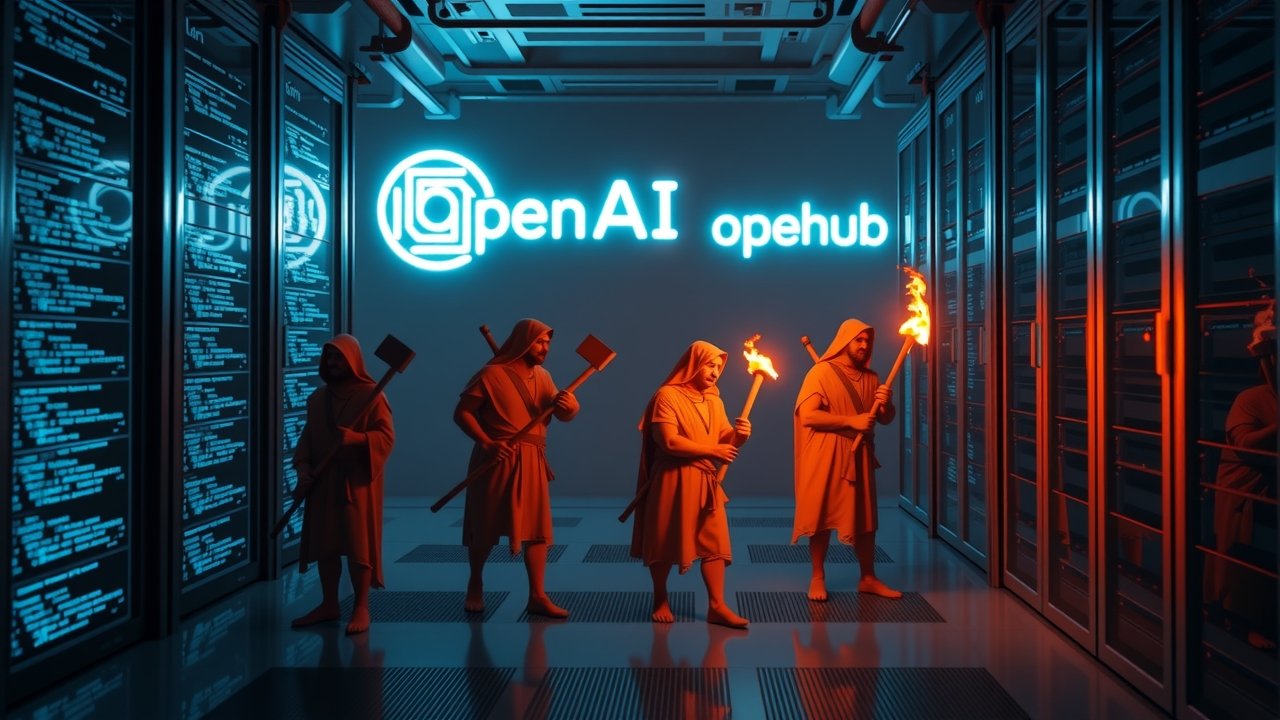
Turns out, polite robot chatter is costing tech giants an absolute fortune. Instead of paying for 'How can I assist you today, sir?', companies are stripping out the pleasantries and making chatbots sound like concussed neanderthals.
The tool behind this linguistic regression is called Caveman, created by developer Julius Brussee. He realized that a massive chunk of enterprise cloud budgets is wasted on useless digital politeness. By stripping away conjunctions, greetings, and transitional phrases while leaving raw code, URLs, and commands intact, the software stops large language models from burning cash on pleasantries.
Early trials using Claude and Codex showed that this caveman filter slashed generated tokens by a massive 65% to 75%. Techies can even dial up the compression levels depending on how brain-damaged they want their artificial assistant to sound. Employees from Nvidia, OpenAI, GitHub, and DEPT are already using the tool to keep their API bills from spiraling into the stratosphere.
Even the big players are getting in on the joke. Shane Sweeney, a top engineer at OpenAI, personally pushed code to the Caveman repository to integrate Codex support. The utility also runs as a standalone terminal agent, running on half the tokens and fully compatible with the open-source OpenClaw framework. Meanwhile, analysts at Gartner warn that within two years, corporate spending on AI tokens and software agents will skyrocket so high it will match what companies spend on actual human developer salaries.
So, after decades of scientific progress trying to make machines sound indistinguishable from humans, humanity's ultimate breakthrough is forcing them to grunt like club-wielding primates just to keep the finance department happy. The future of technology is officially 'me code, you pay'.
Source: 404 Media
Comments
Help shape the next version: Add context or suggest a correction. AI review can add points toward a rewrite. Reviews and updates may take time; a full meter does not guarantee a new version.