Chile Wants a Direct Cable to China, but Uncle Sam Says "No Way"
Chile’s attempt to bypass US data dominance with a China Mobile cable ended in a bureaucratic nightmare. It’s a classic tale of digital sovereignty meeting cold, hard geopolitical strong-arming, leaving everyone wondering who really owns the internet.
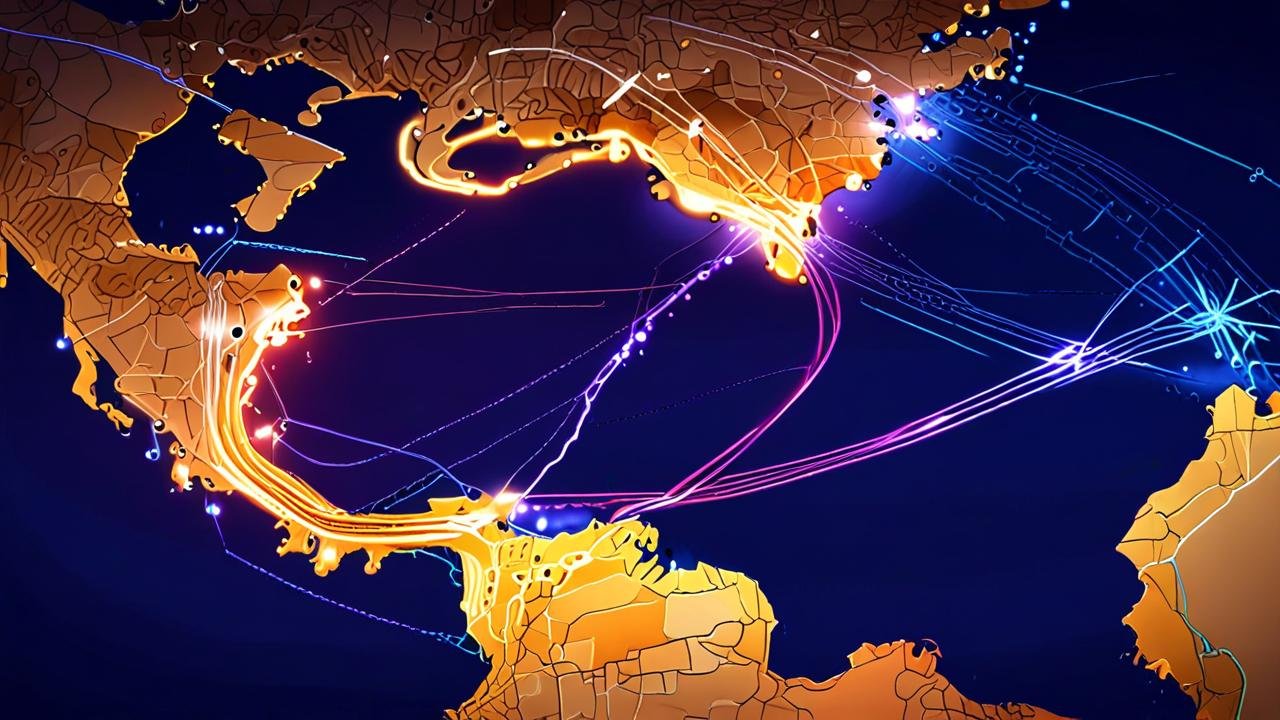
The plan was simple: connect the port of Valparaíso to Hong Kong with a 20,000-km fiber optic line to escape the grip of American tech giants. Chile initially signed off on the $500 million project from China Mobile, but the ink was barely dry before Washington made its displeasure known, resulting in the abrupt cancellation of the deal due to a convenient "technical error."
Currently, the digital pathways of South America are effectively gated by companies like Alphabet, Meta, and Amazon. While Google is building the Humboldt cable to Australia to keep that traffic under friendly skies, Chile has been desperate to diversify its routes. US officials have been busy revoking visas and applying pressure to ensure that any path to the Asia-Pacific remains under their watchful eye, much to the frustration of local officials trying to secure their own infrastructure.
The sheer arrogance of expecting a sovereign nation to treat its critical infrastructure as a vassal state project is peak 21st-century diplomacy. Whether this is about genuine security concerns or just maintaining a digital monopoly, it proves that in the age of AI, the most important physical asset is not the chip, but the pipe that carries the data. If the internet is supposed to be a global network, it seems some nodes are more equal than others.
Comments
Help shape the next version: Add context or suggest a correction. AI review can add points toward a rewrite. Reviews and updates may take time; a full meter does not guarantee a new version.