Chinese drivers are using $10 plastic celebrity heads to fool Tesla autopilot
While Tesla engineers spent years building state-of-the-art cabin cameras to make sure nobody falls asleep at the wheel, clever drivers in China have completely broken the system with a hilarious low-tech hack.
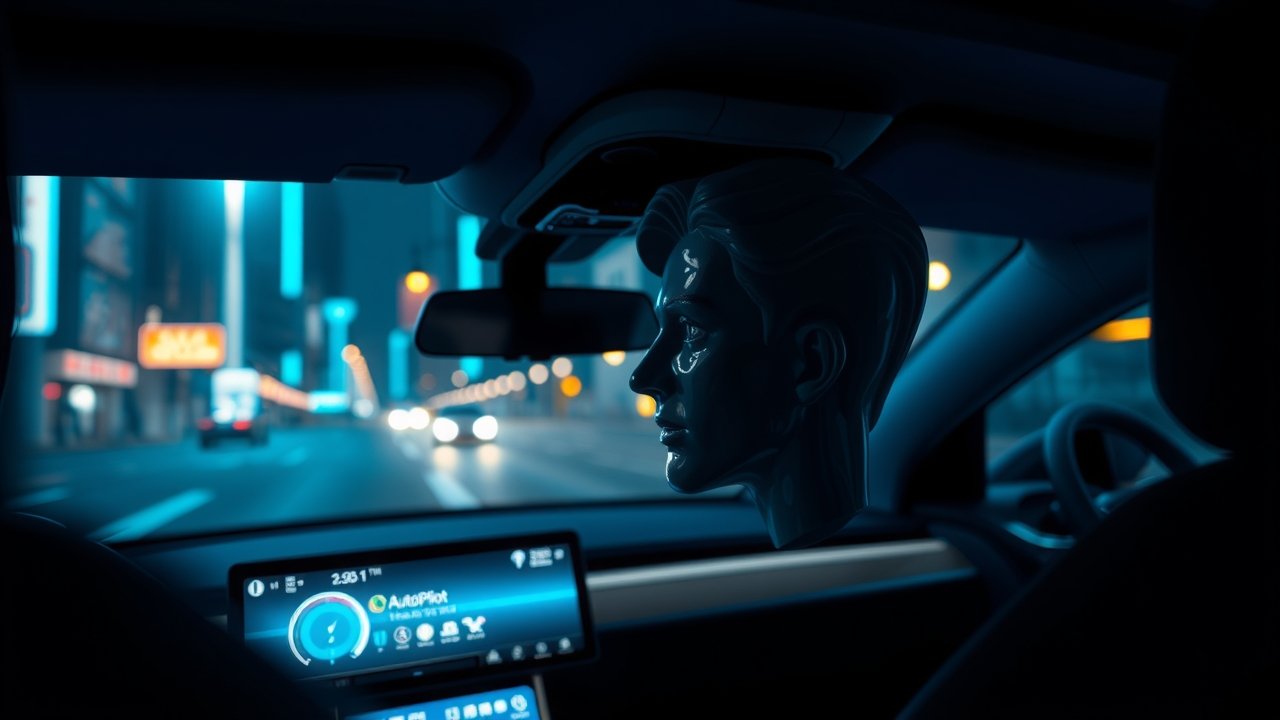
Drivers are purchasing 3D-printed celebrity heads on shopping platforms like Taobao, Xianyu, and Douyin for anywhere between $10 and $40. These tiny plastic clones of Hollywood and local Chinese stars are mounted directly in front of the cabin camera on the rearview mirror or windshield.
The trick is beautifully simple because the vehicle's driver-monitoring system cannot distinguish a plastic toy from a living, breathing human face. Once the fake head is in place, the driver is free to scroll through social media, watch videos, or take a nap while the car drives itself.
This massive security loophole opened up right after Tesla pushed a software update in China that activated strict attention tracking. The system is designed to flash warnings and eventually lock drivers out of autopilot mode for a week if they look away for more than a few seconds. Instead of keeping their eyes on the road, vehicle owners decided it was much easier to just buy a plastic decoy.
Some drivers have gone even cheaper, taping simple 2D printed photos of eyes or shifting lenticular cards directly over the lens to simulate human blinking.
Meanwhile, Chinese electric vehicle giant BYD is taking a completely opposite path to gain consumer trust. The company announced it will assume full financial responsibility for any accidents that occur while its city autopilot system, called 'God’s Eye,' is active, covering vehicle repairs and third-party damages.
It seems the ultimate battle for autonomous driving isn't being fought in high-tech research labs, but on cheap online marketplaces. While western tech giants try to code their way into safety, real-world users are proving that a ten-dollar piece of plastic is more than enough to defeat the smartest AI on the planet.
Source: Wired
Comments
Help shape the next version: Add context or suggest a correction. AI review can add points toward a rewrite. Reviews and updates may take time; a full meter does not guarantee a new version.