GI Labs Unveils EGO1GS: A Headset That Turns You Into A Robot Trainer
Forget VR gaming; GI Labs just dropped EGO1GS, a clunky new headset designed specifically to harvest human movement data. It’s essentially a high-tech nanny for your hands, ensuring your every move is recorded, analyzed, and handed over to future robots.
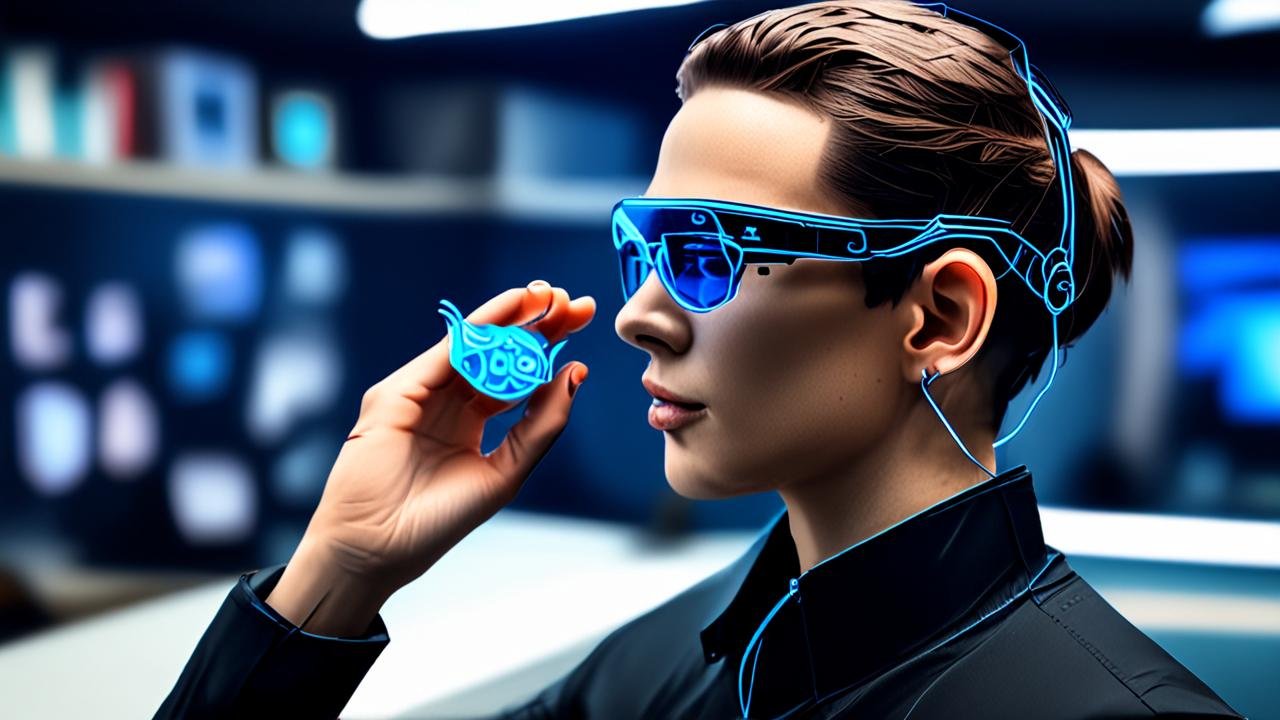
The EGO1GS is a wearable device equipped with two 1080p cameras that utilize global shutter technology, meaning the device captures the entire frame simultaneously to prevent that nauseating "jelly" effect when you move your head too fast. This is paired with an IMU module and dual microphones, all synchronized to a single hardware clock, dumping data into a convenient MCAP file format.
The secret sauce is the EgoHand model, a lightweight YOLO-inspired architecture that tracks your mitts in real-time. It’s smart enough to filter out "distracting" hands belonging to other people, ensuring the AI learns only from the "correct" operator. The system also handles the tedious work of auto-labeling specific action sequences, effectively turning human chore performance into training sets.
Users can monitor the feed via USB or Wi-Fi using a companion app to verify that the robot-to-be is actually watching the right things. By mimicking the 63mm inter-pupillary distance of a human, the device provides a stereoscopic perspective that supposedly helps robots navigate the world as we do, assuming you want a robot that acts exactly like you.
We are officially entering the era of "digital labor harvesting" where every mundane kitchen task is digitized to ensure that our future mechanical overlords can properly struggle with folding laundry just as clumsily as we do. It is a bold move to treat human movement as a subscription-based data stream, and it certainly raises questions about who owns the rights to your specific way of washing a dish.
Source: GI Labs
Comments
Help shape the next version: Add context or suggest a correction. AI review can add points toward a rewrite. Reviews and updates may take time; a full meter does not guarantee a new version.