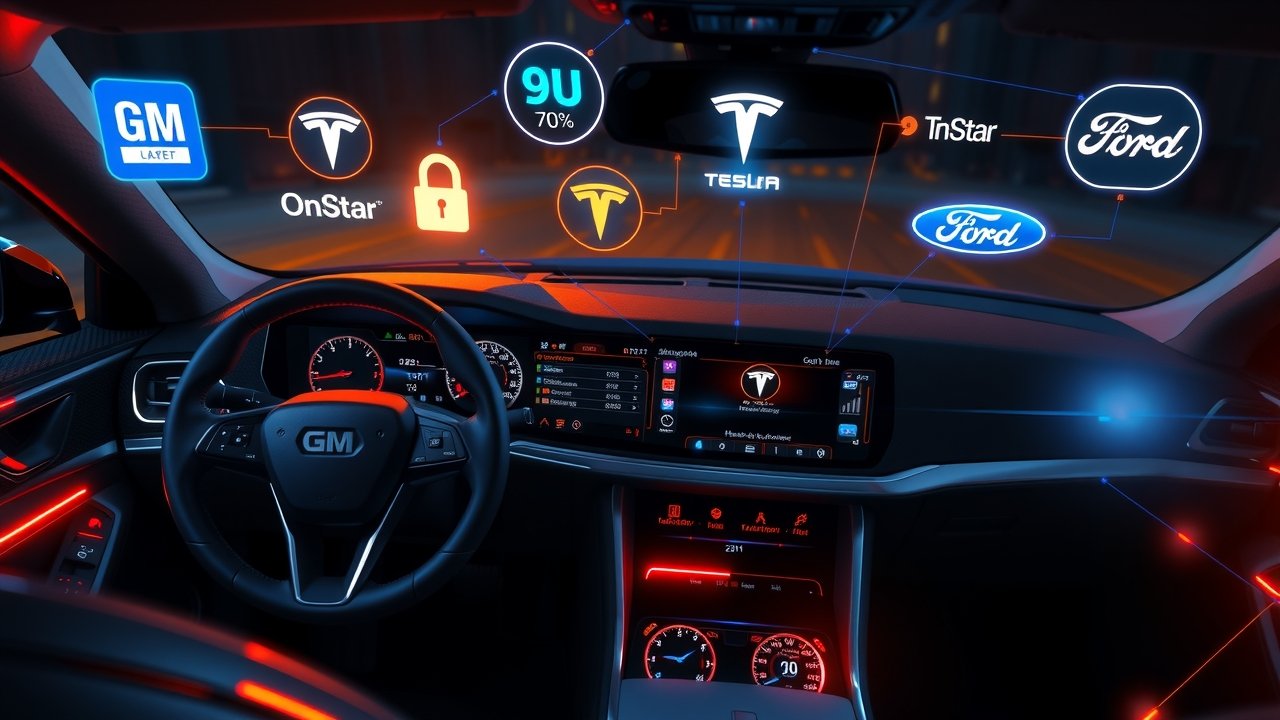
GM Pivots to Subscriptions Making 70% Profit Margins on Software
Buying a physical car was apparently too mid for GM, so the Detroit giant quietly turned its fleet into rolling monthly billers with fat profit margins.
Traditional car sales yield a depressing 4% to 10% profit per dollar, but software and digital services bring in a whopping 70% profit margin. Because electric vehicles need fewer oil changes and mechanical fixes, legacy automakers like GM are scrambling to squeeze post-purchase cash straight out of drivers' wallets.
The strategy is paying off massively through services like OnStar, which pulled in roughly $800 million in a single quarter while eyeing 13 million active subscribers. Meanwhile, the hands-free driving feature Super Cruise racked up 70,000 new paying users over three months, with monthly fees set at $40 after the initial free period ends.
This pay-to-drive trend isn't just happening in Detroit. Tesla recently scrapped its $8,000 upfront driver-assist package in favor of a $100 monthly subscription, while Ford charges $50 a month for its BlueCruise system. Even European heavyweights like Mercedes-Benz and BMW are locking behind-the-wheel options behind recurring credit card swipes.
The era of owning a vehicle outright is quietly dissolving into software licenses and recurring invoices. Car manufacturers are officially turning into telecom operators on wheels, where taking a highway trip might soon require checking if the premium steering package renewed this morning.
Source: Business Insider
Comments
This is where the magic happens: AI reads your discussion and rewrites the article based on the most interesting comments. Each strong comment adds points to the meter below. Once the meter is full, the article updates live — no page reload needed.