Google CEO Admits Search Traffic to Websites Is Dying, and He Doesn't Care
The twenty-year-old internet deal is officially dead. Google is about to stop sending people to external websites entirely, turning the world wide web into a private playground for its own AI. Let that sink in.
In a recent podcast interview, Sundar Pichai, the boss of Alphabet and Google, finally stopped pretending. He admitted that the concept of 'Google Zero'—where search traffic to third-party websites completely evaporates—is no longer a scary conspiracy theory but the actual plan.
The math is brutal. As AI-powered search starts answering questions directly on the results page, users have absolutely no reason to click on external links. Even giant publishing empires like Condé Nast have already thrown in the towel, instructing their teams to prepare for a future where search traffic from Google is literally zero.
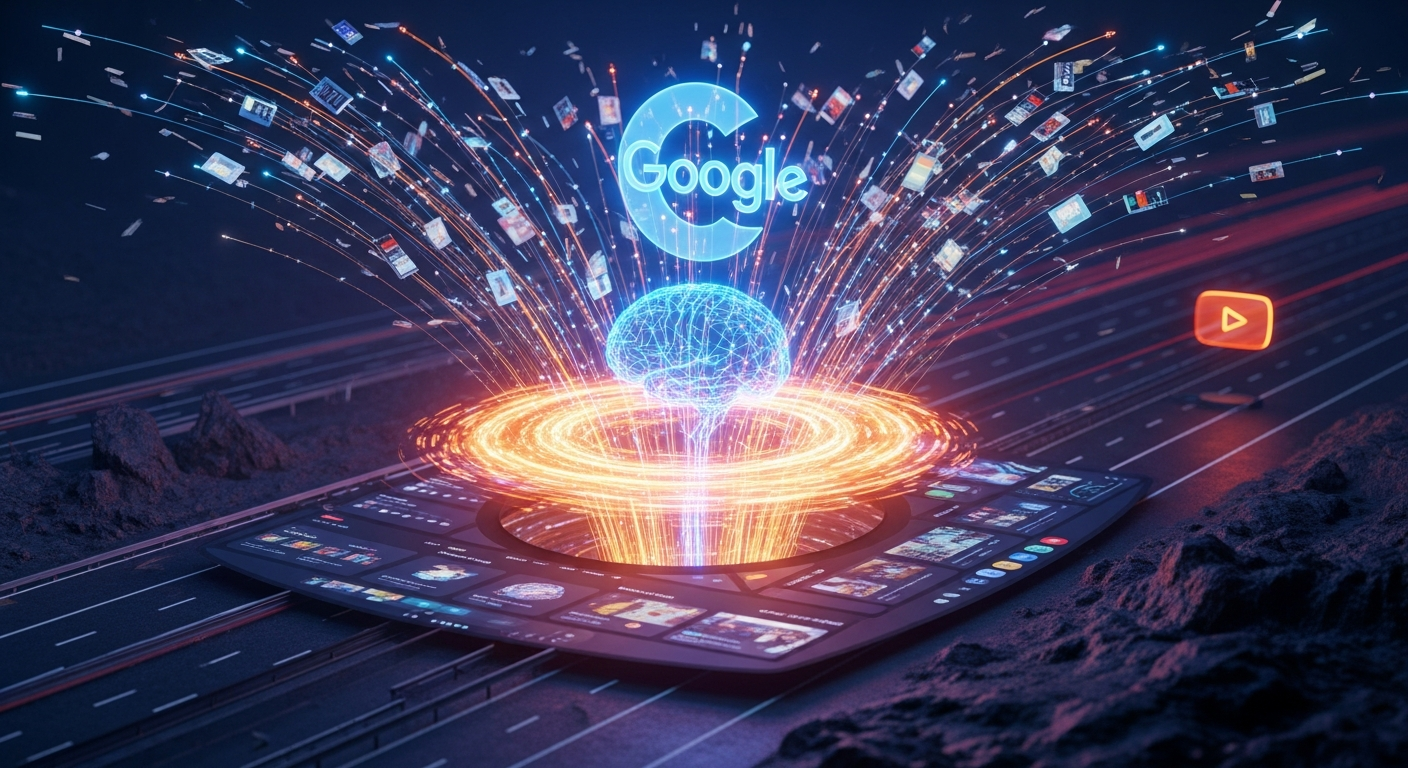
To replace the old-school web of links, Google is cooking up a massive merger. The classic search engine, the Gemini chatbot, and their new Spark agent platform are fusing into a single product. Instead of pointing to a travel blog, this unified AI will just book your flights, plan your itinerary, and even code a custom mini-app directly in the search interface.
When pressed on how AI models will learn if websites stop publishing content due to a total lack of visitors, Pichai offered a delightfully simple solution. He pointed to YouTube, suggesting that as long as people keep uploading videos to Google's own platforms, the corporate machine will have plenty of data to feed on.
The old internet was built on a simple contract: creators write content, search engines deliver traffic, and everyone wins. By tearing up this agreement, the tech giants are sucking all the value into their own closed ecosystems, leaving the open web to starve while they feast on video uploads. It is the ultimate digital enclosure act, and there is nowhere left to click.
Source: The Verge
Comments
Help shape the next version: Add context or suggest a correction. AI review can add points toward a rewrite. Reviews and updates may take time; a full meter does not guarantee a new version.