The Ig Nobel 2026 is here: From Mosquito-powered 3D printers to buried underwear
The 36th Ig Nobel Prize just dropped, and it’s peak science absurdity. Mark Abrahams and his crew honored everything from the aerodynamics of nose-blowing to why wealthy people steal candy from kids. It’s glorious, weird, and surprisingly educational.
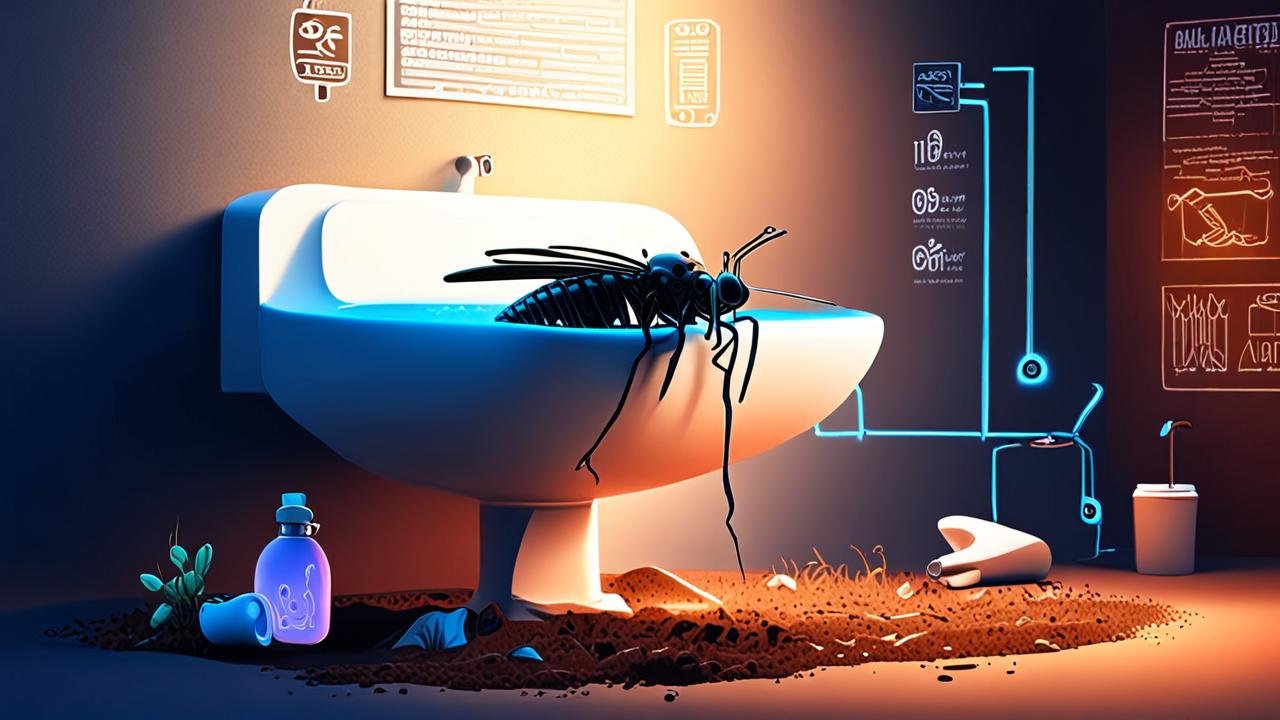
This year’s awards, hosted by the Annals of Improbable Research, celebrated the truly bizarre. Researchers used mosquito proboscises to improve 3D printing accuracy, proving that nature's blood-suckers might actually be useful for something other than ruining summer nights. Meanwhile, a team of physicists crunched the numbers on urinal splash-back, finding that a specific angle could save the world from roughly a million liters of floor-based mess in the US alone.
The biological breakthroughs didn't stop there. Scientists redefined kissing as a non-agonistic oral interaction, noting it’s been a human habit for over 20 million years, while another team buried cotton underwear across the globe to measure soil health through decomposition rates. For those wondering about the social hierarchy, a study confirmed that wealthy individuals are more likely to swipe candy from children, effectively turning the 'eat the rich' metaphor into an empirical fact.
Even the animal kingdom got weird. Researchers poked a pit viper to see when it bites—turns out, don't step on its head—and another group found that cockroach milk is surprisingly protein-packed. The late Tokuji Unno was honored for his aerodynamic study on how to blow your nose without causing an inner ear explosion. Finally, scientists confirmed the obvious: parents find their babies' scent cute, but teenagers? Not so much.
Science is clearly at its peak when it investigates the exact things no one asked for but everyone secretly needed to know. Whether it is tax-funded underwear burial or mosquito-based manufacturing, the line between genius and total madness has never been blurrier.
Source: Annals of Improbable Research
Comments
Help shape the next version: Add context or suggest a correction. AI review can add points toward a rewrite. Reviews and updates may take time; a full meter does not guarantee a new version.