How Margaret Hamilton Invented Software Engineering and Saved Apollo 11 From Crashing
The genius mind who literally invented software engineering and saved the moon landing just passed away at 90. Time to remember how handwritten code beat cosmic chaos.
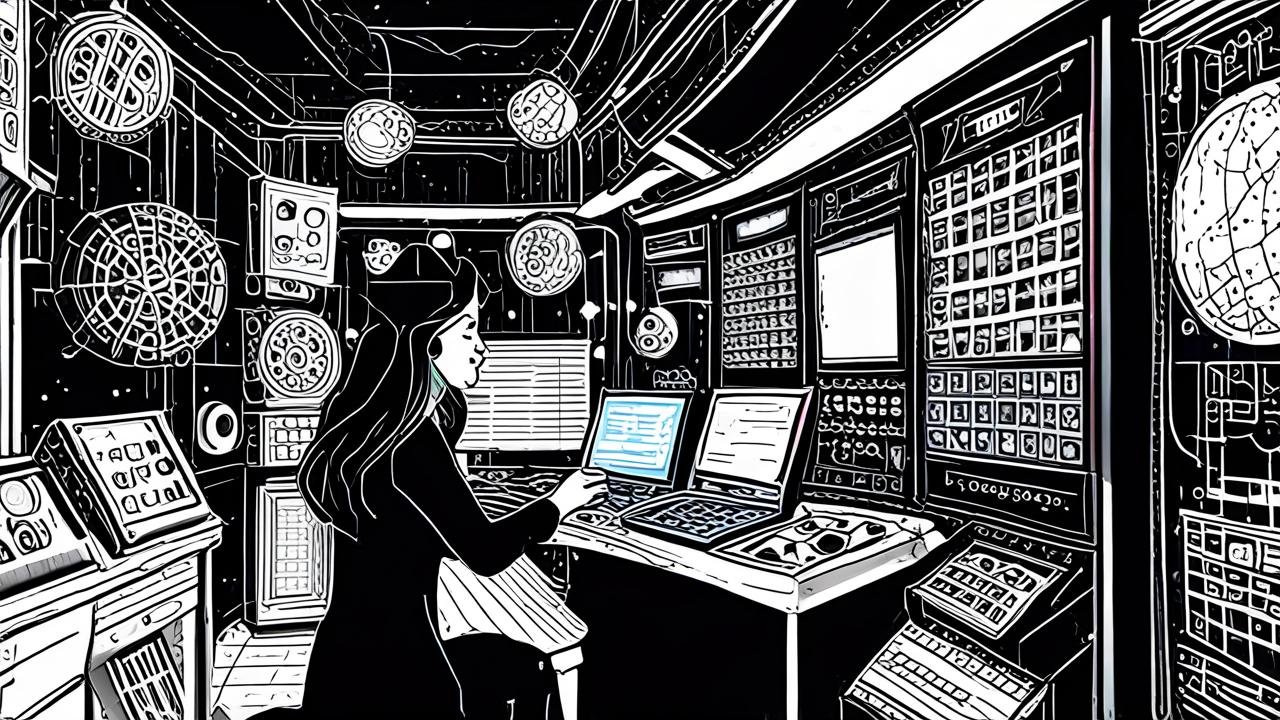
In October 1965, a philosopher's daughter walked into the MIT Instrumentation Laboratory to handle a tiny problem called getting humanity to the moon. At the time, rockets had massive engines, gyroscopes, and hardware, but the concept of software as a separate engineering discipline simply did not exist. Margaret Hamilton stepped into this regulatory vacuum and eventually led a massive team writing the command and service module code.
The underlying hardware, known as the Apollo Guidance Computer, possessed processing power that modern smart refrigerators would laugh at. Faced with painfully constrained resources, the team engineered a revolutionary priority scheduling system that dynamically discarded non-essential tasks during overloads to keep vital flight controls running.
This exact architecture saved the historic Apollo 11 landing when the radar flooded the system with garbage data, triggering infamous 1202 alarms just minutes before touchdown. Instead of crashing or freezing like a modern operating system, the software aggressively shed the ballast and let Neil Armstrong land the Eagle module safely.
Another legendary stress test came from a child's curiosity when four-year-old Lauren Hamilton accidentally crashed a flight simulator by selecting a pre-launch navigation program mid-flight. Though NASA managers initially laughed off the risk, astronaut Jim Lovell repeated the exact same human error in orbit during Apollo 8, forcing the agency to hastily patch the code with the safeguards Hamilton originally demanded.
Humanity spent decades pretending computers just naturally work, completely ignoring the woman who literally wrote the manual on how to keep machines from panicking when reality gets too messy.
Source: MIT News
Comments
Help shape the next version: Add context or suggest a correction. AI review can add points toward a rewrite. Reviews and updates may take time; a full meter does not guarantee a new version.