MIT prints magic 3D objects that change colors when twisted or pressed
Engineers at MIT just turned basic plastic into interactive displays without batteries, wiring, or microchips. The mechanical sorcery behind ShiftLens opens up mind-bending possibilities for zero-power smart hardware.
The researchers at MIT designed a system called ShiftLens that creates 3D-printed surfaces capable of shifting patterns, colors, or warning symbols on demand. Instead of embedding costly electronics, the setup relies on a clever mechanical trick using two stacked plastic layers.
The top layer houses an array of tiny lenticular lenses, while the bottom layer contains micro-strips of multiple images. When a user rotates or presses a component, the physical shifting of the layers changes which micro-strips are magnified, instantly swapping the visible graphic. Apparently, high-tech feedback no longer requires a lithium battery or a buggy firmware update.
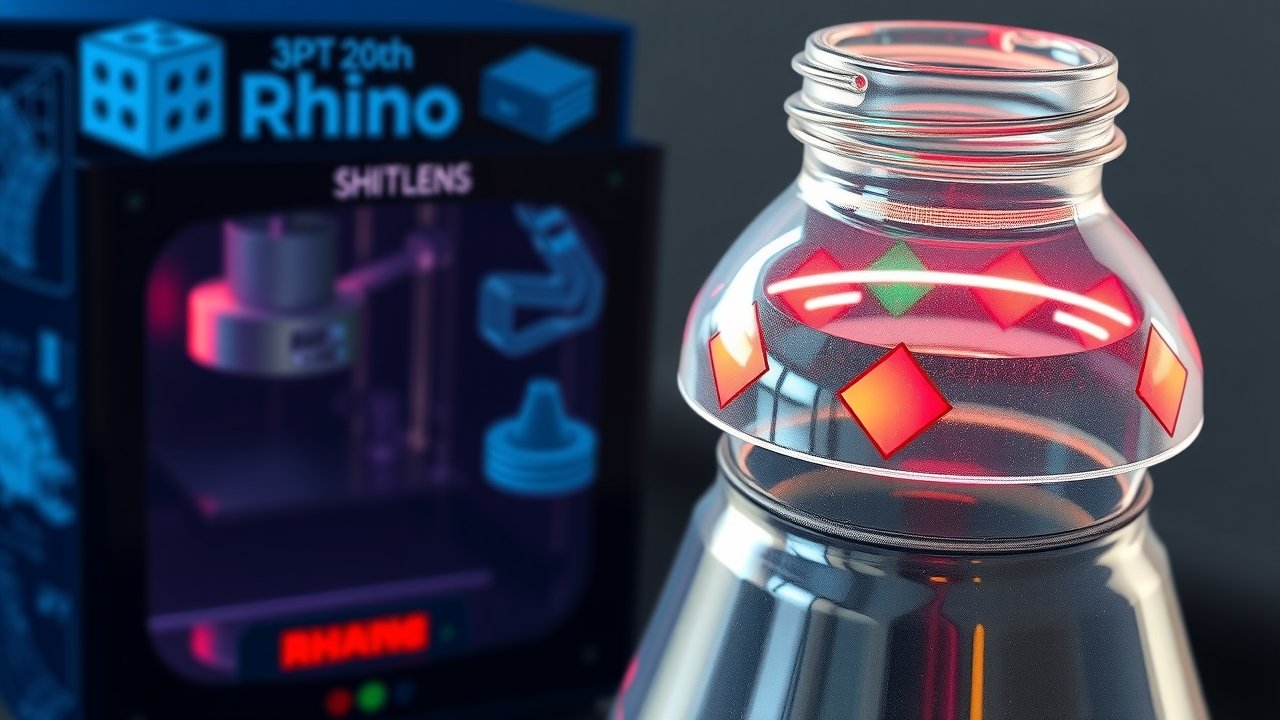
To demonstrate the concept, the team printed a hazardous material bottle that shows a bright red warning exclamation mark when loose, turning green only when completely sealed. The design tool integrates directly into Rhino and Grasshopper, automatically calculating lens geometry and mechanical motion for up to 10 distinct stacked visuals per surface.
Everything prints in a single seamless pass using a multi-material Stratasys J55 printer, outputting transparent optics alongside flexible internal mechanics simultaneously. However, squeezing more images onto one surface narrows the viewing angle, meaning ten-frame optical animations require standing at a very specific spot to read.
Analog mechanics are quietly making a comeback to solve problems microcontrollers made unnecessarily complex. Replacing screens with pure optics might finally put an end to dead batteries ruining critical equipment feedback.
Source: MIT News
Comments
This is where the magic happens: AI reads your discussion and rewrites the article based on the most interesting comments. Each strong comment adds points to the meter below. Once the meter is full, the article updates live — no page reload needed.