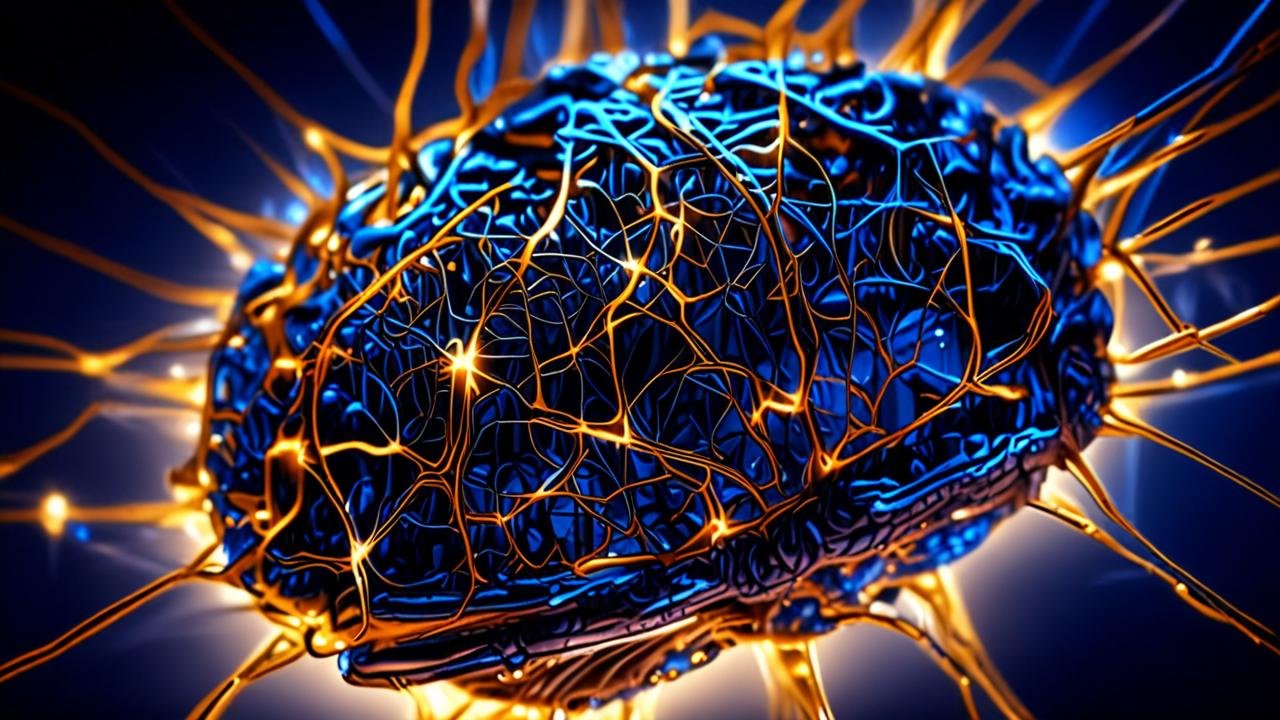
Scientists Just Gave Mice Their Memories Back: Is Our Own 'Save File' Next?
Researchers at EPFL have successfully 'rebooted' mouse brains using a genetic cocktail. It sounds like a sci-fi flick, but this precise gene-hacking might actually fix the human memory wipe that comes with neurodegenerative diseases.
Forget about the usual slow decline of the mind. A team at EPFL decided that forgetting is an optional feature rather than a hardware limitation. By targeting specific cells known as engrams—the physical storage units of our memories—they injected a genetic cocktail to wake up dormant connections.
The scientists focused on a trio of genes called OSK. While OSK sounds like a mediocre synth-pop band, it has previously shown potential in reversing eye diseases. Here, they used a viral 'switch' to deliver rapid, controlled bursts of gene activation directly into the mouse hippocampus and prefrontal cortex.
Instead of turning the whole brain into a chaotic petri dish, they acted like surgical snipers. The results were immediate: the mice regained their ability to navigate complex mazes as if their brains had undergone a factory reset. The molecular markers of their neurons shifted back to a youthful state, effectively reversing the biological clock for specific, stored information.
We are officially entering the era where our life experiences become backup data. If biology is just code, then dementia is merely a corrupted sector that requires a clever developer. Whether humanity is ready for a world where people can 'upgrade' their mental clarity or whether this is just a fast track to a real-life version of Black Mirror is entirely up for debate.
Source: Cell
Comments
Help shape the next version: Add context or suggest a correction. AI review can add points toward a rewrite. Reviews and updates may take time; a full meter does not guarantee a new version.