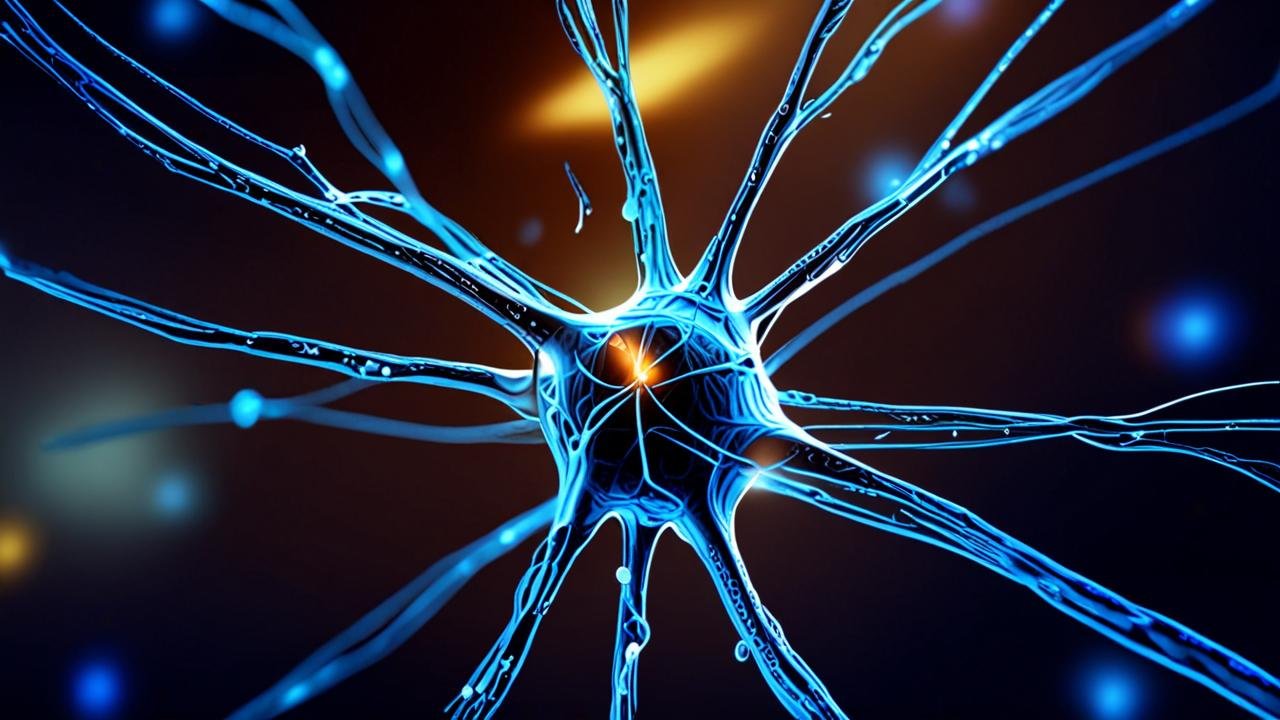
Scientists Win Nobel Prize for Inventing a "Remote Control" for Your Brain
The Nobel Prize committee just handed out the big check to Karl Deisseroth, Peter Hegemann, and Georg Nagel for turning brains into programmable hardware. It turns out, all we needed to hack human consciousness was a little bit of pond scum.
It started with Chlamydomonas, a simple green algae that possessed a knack for swimming toward the light. Peter Hegemann discovered that light hitting these cells triggered electrical currents, a phenomenon mediated by proteins called channelrhodopsins. These act as molecular gates that swing open when exposed to blue light, letting ions flood the cell and flip its electric switch.
Georg Nagel helped characterize these proteins, turning them into biological tools. By 2003, they confirmed that channelrhodopsin-2 could be plucked from algae and dropped into foreign cells, granting them an artificial ability to respond to light pulses. This biological copy-paste job effectively turned any cell into a light-sensitive puppet.
Then Karl Deisseroth asked the question that changed neuroscience: what if we put this in a neuron? His team confirmed that a quick blue light flash could trigger a neuron to fire with millisecond precision. By 2007, they were literally prodding sleeping mice awake by hitting specific hypothalamic circuits with light, effectively turning the brain into a high-tech video game console.
The Karolinska Institute has now awarded these pioneers for perfecting the art of biological hacking. While the scientific community celebrates, the reality remains that we have officially moved from observing the brain to editing its activity with a literal light switch, leaving us to wonder if our own free will is just waiting for a firmware update.
Source: Nobel Prize
Comments
Help shape the next version: Add context or suggest a correction. AI review can add points toward a rewrite. Reviews and updates may take time; a full meter does not guarantee a new version.