OpenAI Spices Things Up: Meet Jalapeño, the Chip Meant to Break the Nvidia Habit
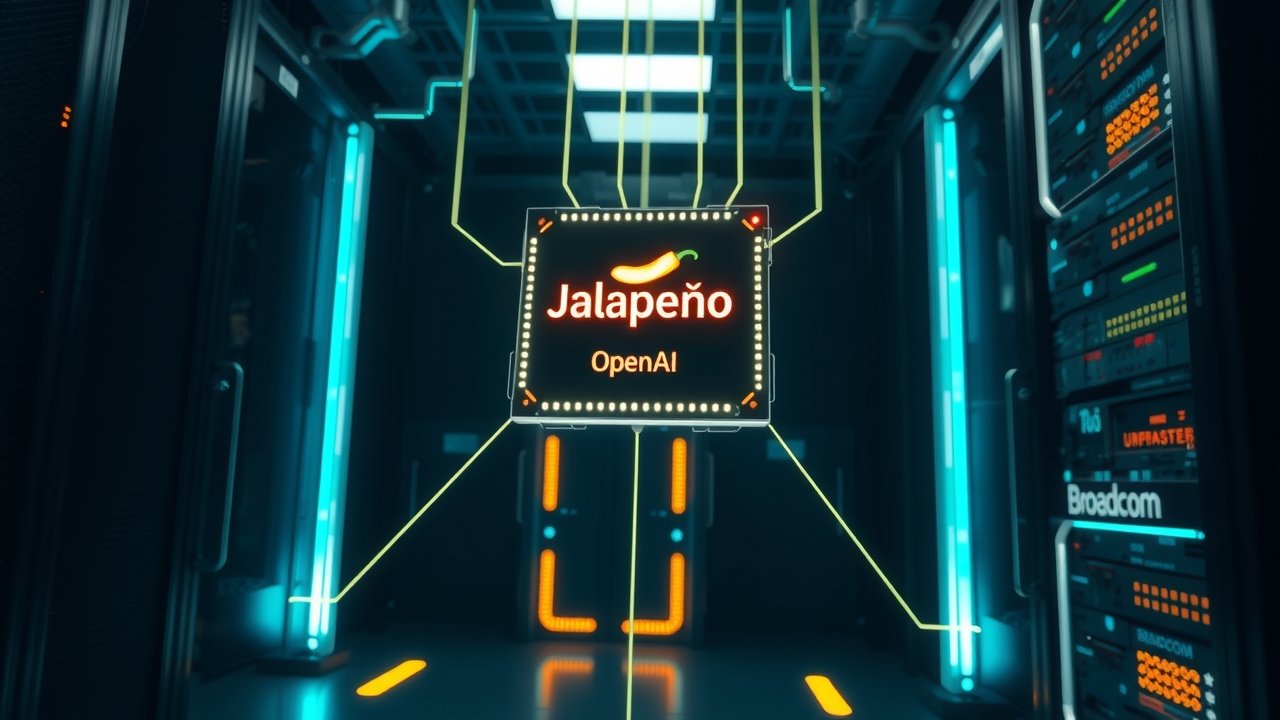
OpenAI and Broadcom have finally decided that buying hardware is for losers, unveiling the Jalapeño chip. It’s a bold attempt to hoard the entire supply chain, proving that if you have enough ego, you can just design your own silicon in record time.
OpenAI is pivoting from software giant to silicon designer with its new Jalapeño inference chip. Developed in partnership with Broadcom, the hardware is already running internal workloads like the GPT-5.3-Codex-Spark model in lab conditions. While Broadcom CEO Hock Tan Tan claims it offers massive efficiency gains over standard accelerators, the chip is currently restricted to OpenAI’s internal infrastructure.
The development cycle is the real showstopper, with the company boasting a nine-month turnaround from design to tape-out. By using its own AI models to optimize the chip's architecture, OpenAI has essentially created a self-referential loop where the software builds the hardware that runs the software. Manufacturing is handled by TSMC, while Celestica manages the server integration.
Despite the hype, the strategy remains a half-measure. OpenAI still relies heavily on Nvidia for the massive compute power required to train new models, relegating Jalapeño strictly to the inference stage. With commercial availability targeted for Microsoft and other partners by late 2026, the company is chasing the tail of industry giants like Google, Amazon, and Microsoft, all of whom have been running their own proprietary silicon for years.
It turns out that trying to escape the golden cage of Nvidia is much harder than simply changing the menu. By building its own chips, OpenAI is merely trading one vendor lock-in for a massive, multi-billion-dollar R&D gamble that assumes the current AI bubble will keep inflating long enough to pay for its own silicon factory. The real question is whether this is a genuine technological leap or just an expensive way to stop paying for expensive GPUs.
Source: OpenAI
Comments
Help shape the next version: Add context or suggest a correction. AI review can add points toward a rewrite. Reviews and updates may take time; a full meter does not guarantee a new version.