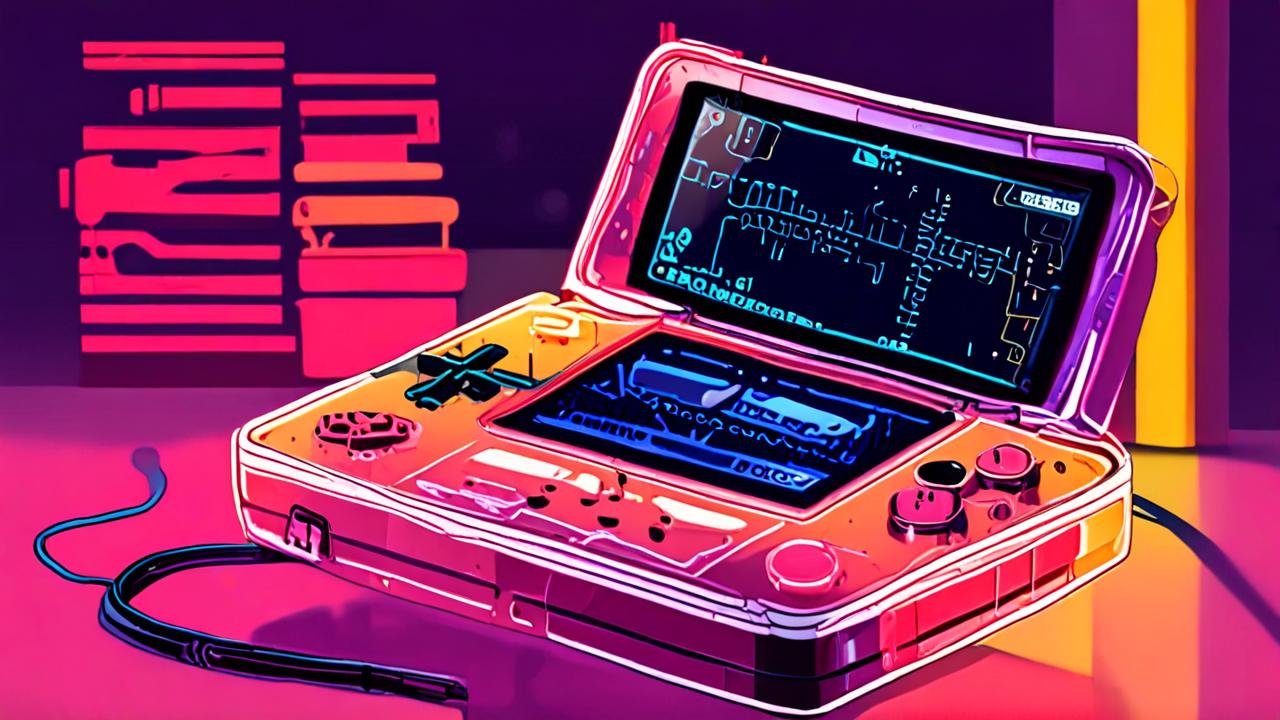
OpenAI and ModRetro Drop a $200 Retro Handheld Where AI Codes Your Game
Because typing code manually is apparently too mainstream, OpenAI teamed up with ModRetro to turn nostalgic plastic bricks into AI-powered arcade machines.
OpenAI and ModRetro officially released Chromatic: Codex Edition, a transparent retro console priced at two hundred dollars that comes bundled with a rewriteable cartridge. The device broke cover during the OpenAI DevDay event, where conference attendees received exclusive units before the hardware hit the open market.
Game creation on this hardware relies on Codex paired with a dedicated ModRetro Chromatic plugin that translates natural language descriptions into complete projects inside GB Studio, a visual editor originally built for the classic GameBoy. The software pipeline manages everything from background maps to complex character animations without requiring users to look at a single semicolon.
Testing the AI-generated output happens inside an integrated browser emulator where an autonomous agent can click virtual buttons, capture screenshots, and apply requested tweaks on the fly. Once the code stabilizes, the system compiles everything into a standard ROM file and flashes it directly onto the physical cartridge using a standard USB connection.
The physical hardware packs a two-point-fifty-six-inch IPS display boasting a retro-accurate resolution protected by Gorilla Glass, powered by three standard AA batteries alongside a modern USB-C port and a headphone jack. Initial batches sold out rapidly across supported regions, with the next delivery wave scheduled for later in November.
It turns out humanity's greatest technological leap is using trillion-dollar neural networks to recreate twenty-year-old pixelated side-scrollers on plastic hardware running on AA batteries.
Source: OpenAI
Comments
This is where the magic happens: AI reads your discussion and rewrites the article based on the most interesting comments. Each strong comment adds points to the meter below. Once the meter is full, the article updates live — no page reload needed.