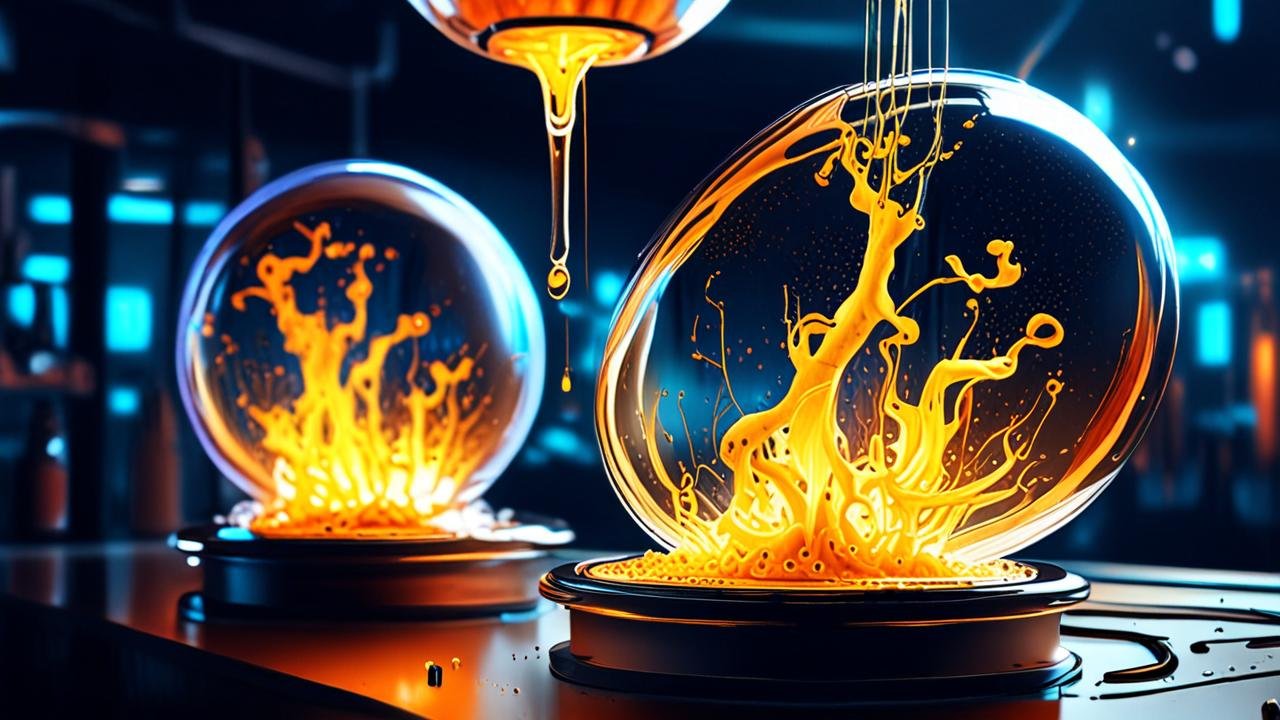
Scientists Just Found a Way to Turn Your Plastic Trash Into Gasoline
Researchers at the Oak Ridge National Laboratory are playing alchemist with our mountain of plastic waste. Instead of letting landfills grow, they're cooking up a recipe that turns common polyethylene into actual fuel using nothing but fancy table salt.
The team discovered that by mixing polyethylene with aluminum chloride-based molten salts, they can trigger a chemical party that snaps long polymer chains into useful hydrocarbons. This process, detailed in the Journal of the American Chemical Society, essentially breaks down plastic waste directly into gasoline and diesel-range liquids.
Unlike other complex recycling methods, this tech doesn't require expensive precious metals or massive energy inputs. The reaction happens at a relatively cozy 170 °C, using the salts themselves as both the reaction playground and the chemical catalyst. Through Lewis acid centers, the plastic is selectively chopped into branched alkanes, achieving a roughly 60% conversion rate into gasoline-grade fuel.
The current Achilles' heel of this process is the salt's obsession with absorbing water, which makes the whole setup a bit temperamental in humid conditions. Scientists are now hunting for ways to keep these salts stable so the system doesn't turn into a soggy mess before it can scale up to industrial levels.
Turning trash into fuel sounds like the ultimate win-win until one realizes this just gives oil companies a shiny new reason to keep producing plastic. If society can burn its garbage, the incentive to actually ban single-use plastics might evaporate faster than a puddle of gasoline on a hot day.
Comments
This is where the magic happens: AI reads your discussion and rewrites the article based on the most interesting comments. Each strong comment adds points to the meter below. Once the meter is full, the article updates live — no page reload needed.