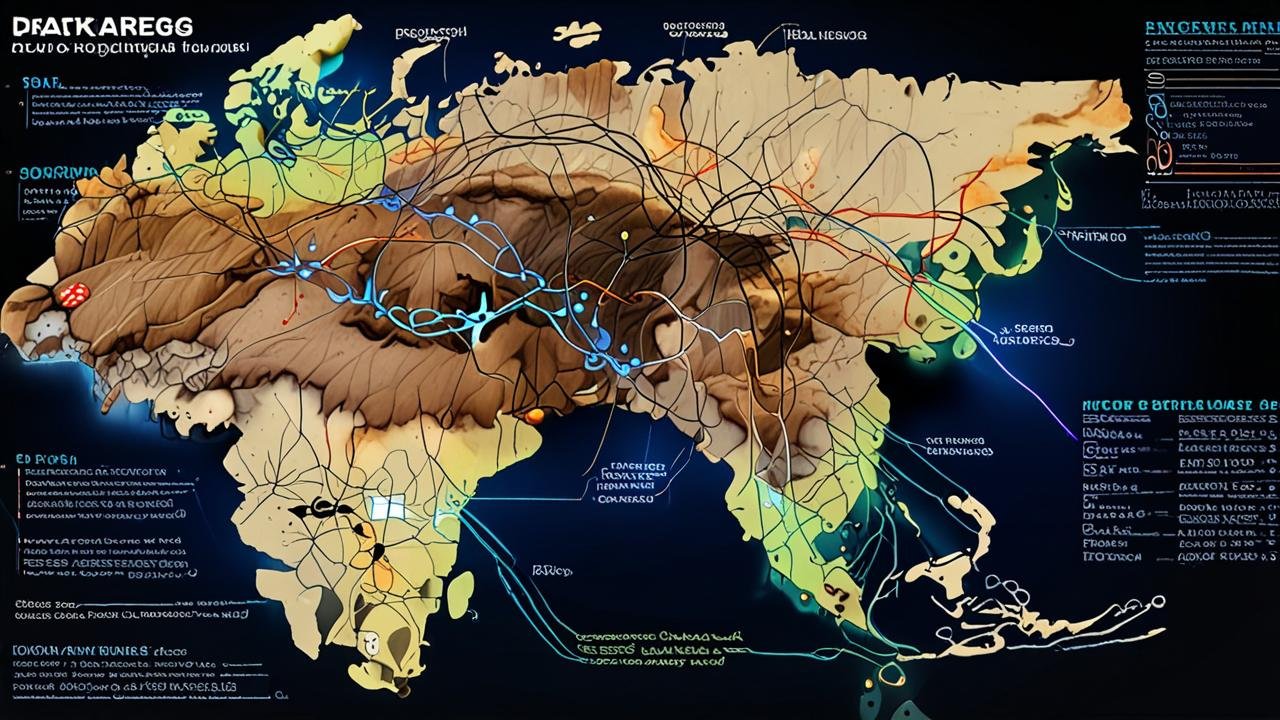
Half of Russia's Backbone Internet Cables Are Expired and Rotting Underground
While official state propaganda promises technological sovereignty and futuristic breakthroughs, the physical wires carrying their entire internet are literally turning to dust inside wet dirt.
The Ministry of Digital Development has quietly circulated draft revisions to its 2035 telecom development strategy, admitting that more than half of the country's primary trunk fiber-optic lines have exceeded their 25-year maximum lifespan. Glass threads under the soil do not last forever; decades of underground moisture and ground movement degrade the physical silica, which tanks data transfer speeds and kills signal distance.
When individual fibers inside a massive bundle quietly die, engineers simply patch traffic over to the surviving glass cores. Once those backup strands degrade as well, whole regions face sudden bandwidth choking and unpredictable blackouts unless signal amplifiers get stacked like digital band-aids. Industry estimates from Atlas show that between 50% and 70% of all critical lines stretching along the crucial West-East corridor reached expiration by 2025.
Replacing this decaying subterranean maze is an astronomical logistical headache. Telecom consultancy ComNews pegs the average cost of laying a single kilometer of high-grade fiber at roughly 1 million rubles, with river crossings multiplying that bill exponentially. According to analysis by J'son & Partners, the state needs to replace over 400,000 kilometers of aged cable by 2030, requiring an upfront financial injection of at least 400 billion rubles at a rate of 40,000 kilometers per year.
A massive sovereign digital curtain matters very little when the physical cords tethering the nation to the modern world are simply crumbling into geological sediment. The race against physics usually doesn't end well for bureaucracy.
Comments
Help shape the next version: Add context or suggest a correction. AI review can add points toward a rewrite. Reviews and updates may take time; a full meter does not guarantee a new version.