Russia Plans a Lunar Nuclear Plant by 2036 Even as Probe Schedules Slip
A draft decree outlines plans for an orbital station and a lunar reactor within a decade, even as precursor robotic missions are deferred well into the 2030s.
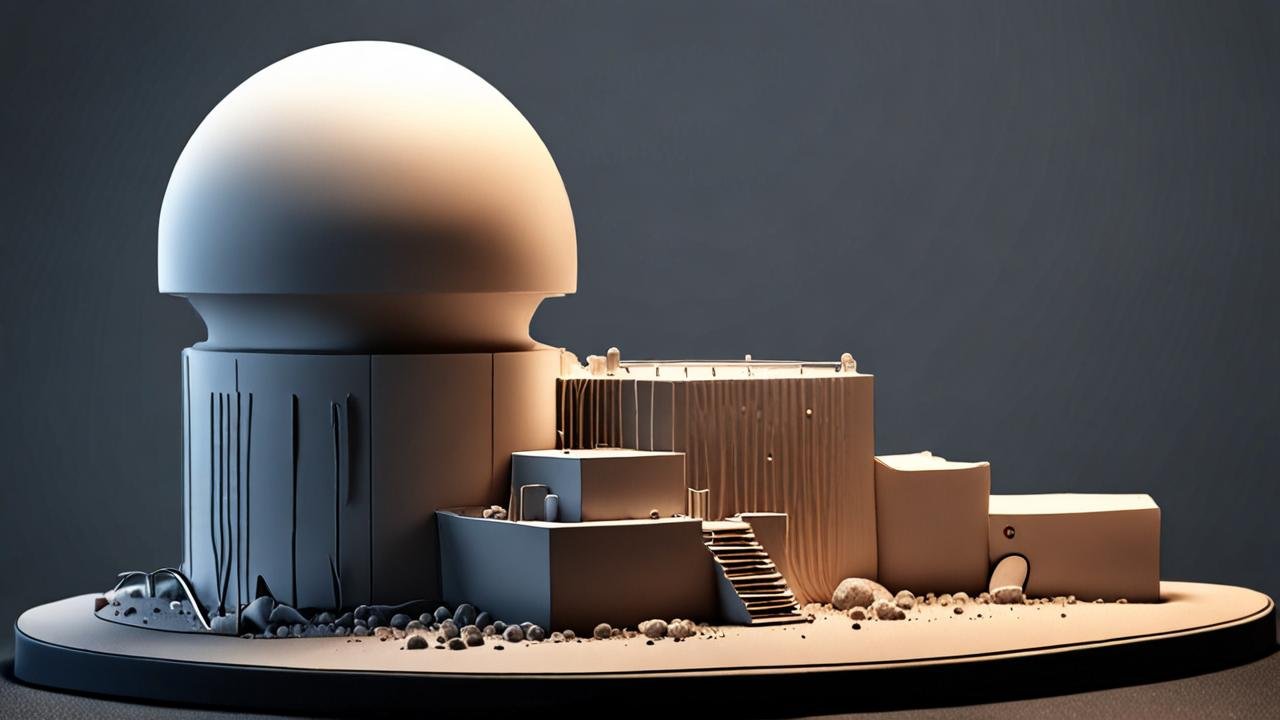
A draft presidential decree published on Russia's regulatory portal sets out the country's official space policy goals through 2036. Among the primary milestones listed is the construction of a nuclear power plant on the surface of the Moon to power future surface infrastructure for domestic and international missions.
The policy document, titled "On the fundamentals of state policy of the Russian Federation in space activities up to 2036 and beyond," also outlines the deployment of a new Russian orbital station, robotic lunar surveys, and sample-return flights. In later phases beyond 2036, the document envisions robotic missions to Venus and Mars, space tugs powered by nuclear propulsion, and resource prospecting on asteroids and the Moon.
Officials have pointed to ambitious industrial rationale. Boris Glazkov, deputy director general for strategic development at Roscosmos, previously highlighted rare-earth element extraction and harvesting helium-3 for fusion power as long-term objectives enabled by low lunar gravity.
However, the timeline on paper faces immediate friction from flight schedules already on the ground. Sergey Chernyshev, vice president of the Russian Academy of Sciences, previously stated that the Luna-28, Luna-29, and Luna-30 exploration missions were pushed back to between 2032 and 2036. The orbital probe Luna-26 is currently scheduled for 2028, with landers Luna-27/1 and Luna-27/2 planned for 2029 and 2030.
Source: habr
Comments
This is where the magic happens: AI reads your discussion and rewrites the article based on the most interesting comments. Each strong comment adds points to the meter below. Once the meter is full, the article updates live — no page reload needed.