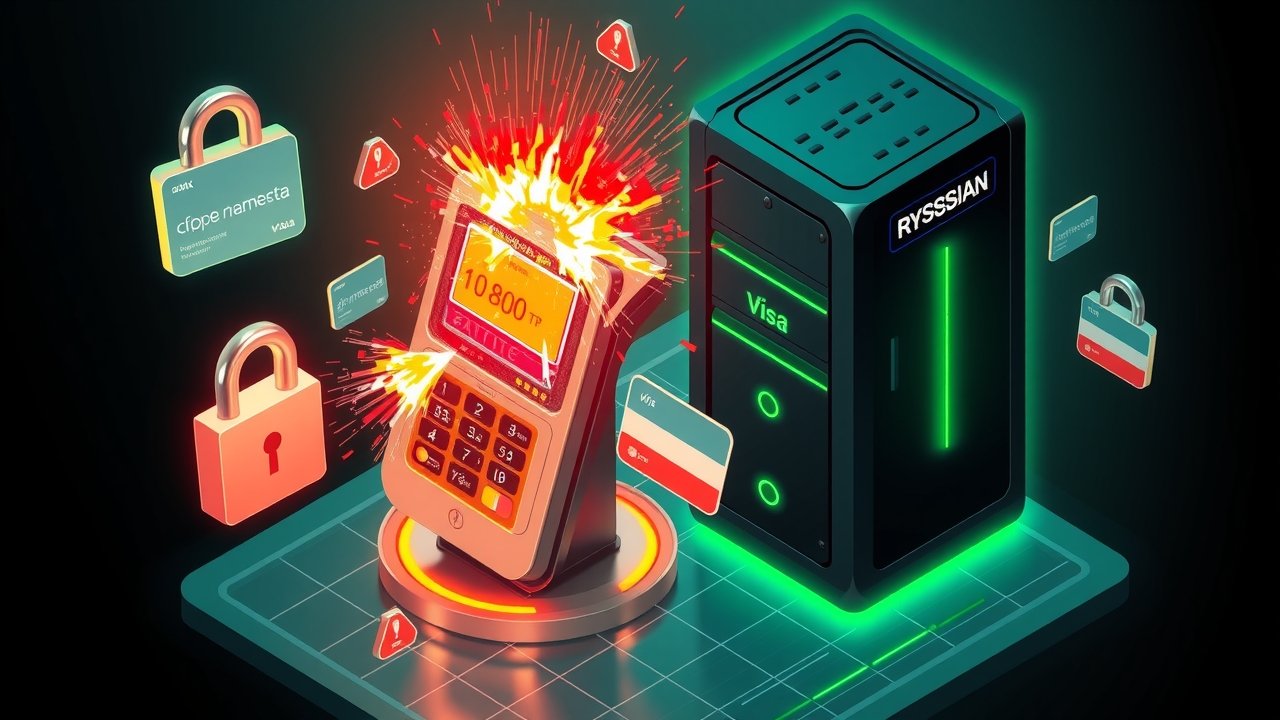
Russia Breaks Payment Security To Force Domestic Mir Cards
When foreign cert authorities revoke SSL encryption, the official solution isn't fixing global relations — it's forcing an entire population to install state-controlled root certificates while claiming Visa payments in Chrome are suddenly sketchy.
Russia's National Card Payment System officially warned users that online payments with Visa and Mastercard will now trigger massive 'unsecure connection' red flags across major foreign browsers like Chrome, Safari, and Edge.
The root of the issue is a forced migration to Russian domestic security certificates for all state payment gateways after international entities severed digital trust. Japanese certificate authority GlobalSign recently revoked SSL certificates for major institutions including Sber and Alfa-Bank, rendering their web platforms instantly inaccessible on standard global software.
Rather than repairing international compliance, state authorities are advising citizens to ditch foreign payment networks for the domestic Mir system or manually download government security certificates onto their personal devices, which conveniently come pre-installed in Yandex Browser.
Isolating a national financial infrastructure while framing broken browser encryption as a routine technical quirk turns ordinary e-commerce into a high-stakes gamble. Digital autarky always looks seamless on paper until buying basic groceries requires installing government-issued decryption keys on personal hardware.
Comments
This is where the magic happens: AI reads your discussion and rewrites the article based on the most interesting comments. Each strong comment adds points to the meter below. Once the meter is full, the article updates live — no page reload needed.