Russia Bans EVs from Underground Parking: The Future of 'Innovation' is Extinction
In a display of sheer technical genius, Russia’s Ministry of Emergency Situations has decided the best way to handle EV fire safety is to simply ban them from underground parking. Because why fix infrastructure when you can just outlaw modernity?
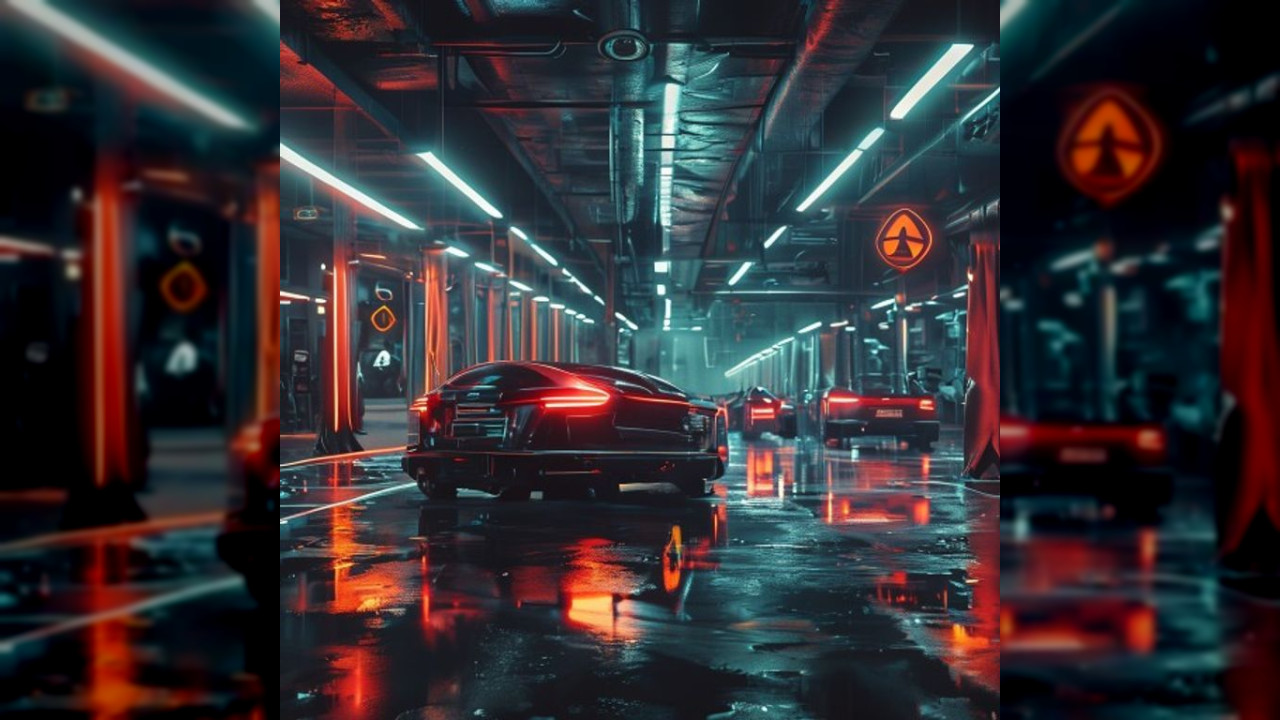
Starting June 1, 2026, parking your electric vehicle or plug-in hybrid in a generic underground garage will become a high-stakes game of Russian roulette with the fire marshal. The new regulations dictate that these vehicles must be parked in groups of no more than 10, strictly separated by fire-resistant partitions and advanced sprinkler systems. If your building isn't fancy enough to have these military-grade fire bunkers, your car is effectively persona non grata.
The responsibility for this bureaucratic nightmare falls on Management Companies, who are now tasked with the impossible mission of policing every vehicle entry without a clear list of prohibited models or identification systems. Vladimir Khlebnikov of Parus Electro—a subsidiary of the state-owned Rosatom—notes that developers are now actively fleeing the idea of installing chargers, as the cost of compliance makes them a liability rather than an amenity.
For owners of brands like Evolute or Voyah, the reality is stark: daily use is effectively prohibited unless you live in a brand-new complex built with these draconian specs. Even if a building is older, any significant renovation or technical upgrade triggers the new rules, leaving owners with the choice of parking on the street or just hoping their parking spot doesn't suddenly become illegal.
This is a masterclass in progress-prevention. By punishing the end-user rather than mandating safer charging infrastructure, the state has effectively turned the humble electric sedan into a prohibited contraband item, ensuring that the transition to clean energy remains a distant, underground fantasy.
Source: Izvestia
Comments
Help shape the next version: Add context or suggest a correction. AI review can add points toward a rewrite. Reviews and updates may take time; a full meter does not guarantee a new version.