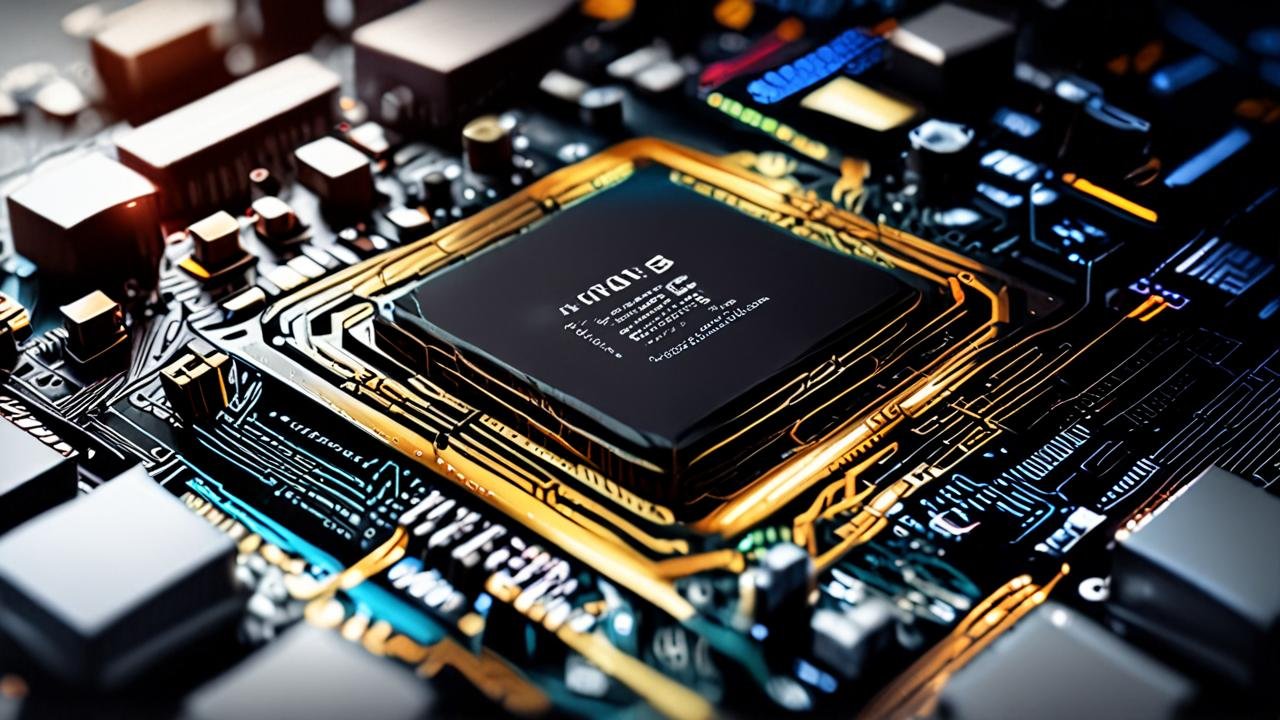
Russian Orange Pi alternative arrives: meet the BDVP, because who needs global standards?
Russian engineers have unveiled the BDVP, a 'trusted' computing platform for drones and robots. It turns out that replacing global tech standards with rebranded RockChip silicon is the latest way to ensure nothing works quite the way it does elsewhere.
The BDVP is a new modular computing platform built on RockChip RK3568, RK3588, and RK3576 processors. Designed to replace Orange Pi, Raspberry Pi, and Radxa boards, the device claims to offer up to 32 TOPS of AI acceleration while running Linux Debian or Astra Linux.
The platform uses the SMARC standard to allow for modular scaling, fitting into compact enclosures for drones, ground robotics, and edge video servers. It features a grab bag of industrial ports like Ethernet, CAN, and USB 3.0, plus MiniPCIe and M.2 slots for custom hardware expansion.
To satisfy regulatory requirements, the unit includes a hardware-based security module for data protection and secure software storage. By providing a local supply chain alternative, developers are promised shorter market entry times and more predictable availability than importing standard single-board computers.
This is a fascinating exercise in digital sovereignty where a handful of generic Chinese chips are glued into a "trusted" local frame to satisfy bureaucratic checklists. While the hardware specs mimic common DIY developer kits, the actual value lies in the paperwork, proving once again that in the world of high-tech geopolitics, a government certification is worth more than a community-backed ecosystem.
Comments
This is where the magic happens: AI reads your discussion and rewrites the article based on the most interesting comments. Each strong comment adds points to the meter below. Once the meter is full, the article updates live — no page reload needed.