AI chip engineers at Samsung score $400k bonuses while phone makers get peanuts
AI is making some people filthy rich, but inside Samsung Electronics, it’s mostly just making everyone else incredibly salty. The corporate hunger games are officially here, and your fridge-making colleagues are not invited to the VIP lounge.
The drama concluded on Wednesday when 73.7% of unionized workers at Samsung Electronics voted to ratify a historic wage agreement, narrowly avoiding a catastrophic production shutdown. Behind this democratic victory lies a massive civil war between the elites of the semiconductor department and the peasants making smartphones and washing machines.
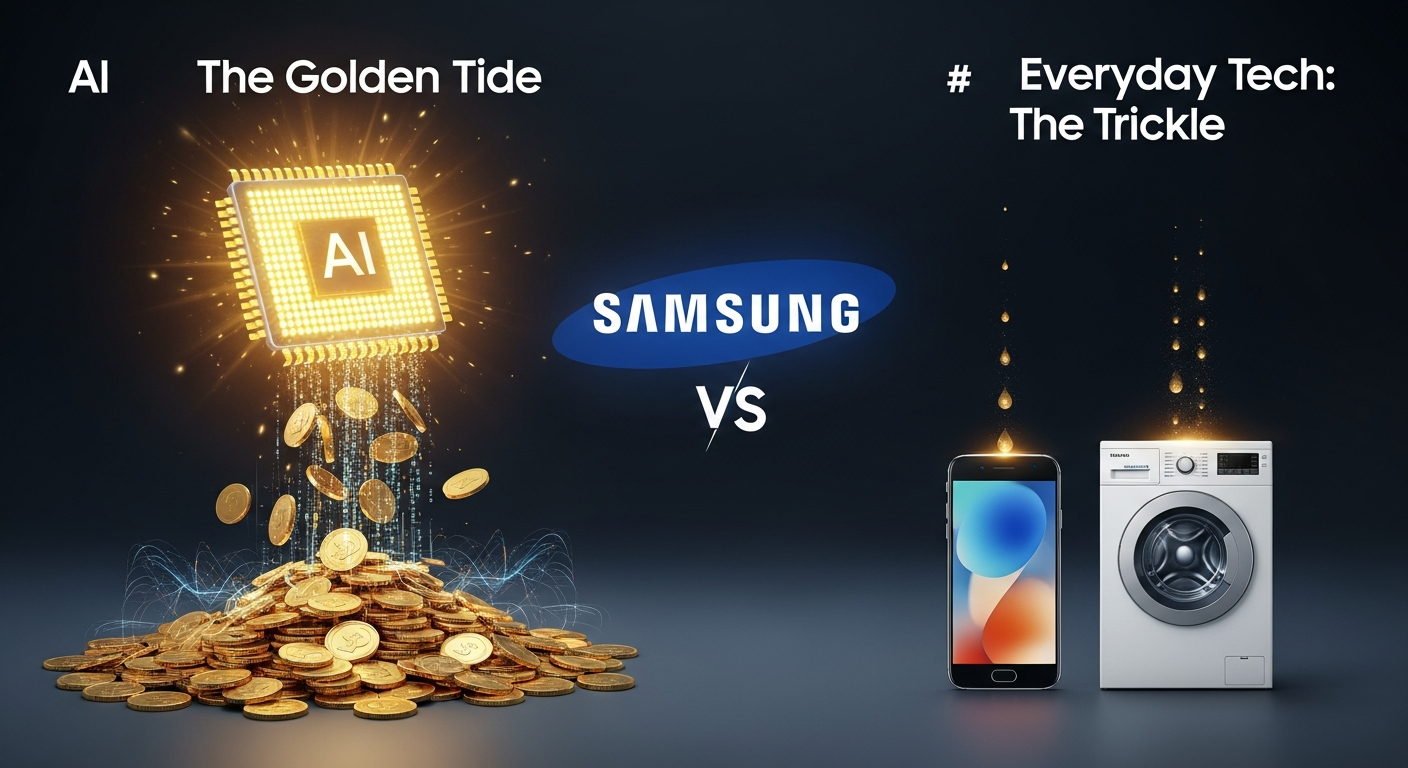
The chip-making division secured a massive 10.5% cut of their operating profits to be paid out in company stock over the next ten years, provided they hit profit targets like $132 billion annually. Under this structure, about 28,000 semiconductor employees are looking at massive individual payouts, while their colleagues in consumer electronics will receive a flat rate of roughly $4,000.
The appliance union actually tried to block the vote in a South Korean court, but their desperate legal bid was thrown out. This extreme disparity is the direct result of the artificial intelligence boom, which sent demand for high-bandwidth memory chips into the stratosphere.
Tempers flared after competitor SK Hynix agreed to share its AI spoils with staff, prompting Samsung workers to threaten an unprecedented 18-day strike. The country's labor minister, Kim Young-hoon, had to personally step in to broker a peace deal just one hour before 48,000 workers walked off the line.
While Seoul stock markets celebrated the news with an 8% jump in share price, a group of minority shareholders is already preparing a lawsuit to challenge the legality of the entire bonus pool.
The AI revolution was supposed to automate human labor, but instead, it is just hyper-accelerating corporate inequality. It turns out that building the brains for tomorrow's digital gods is worth a fortune, while assembling the screens we use to scroll through TikTok is barely worth a tip.
Source: UPI
Comments
Help shape the next version: Add context or suggest a correction. AI review can add points toward a rewrite. Reviews and updates may take time; a full meter does not guarantee a new version.