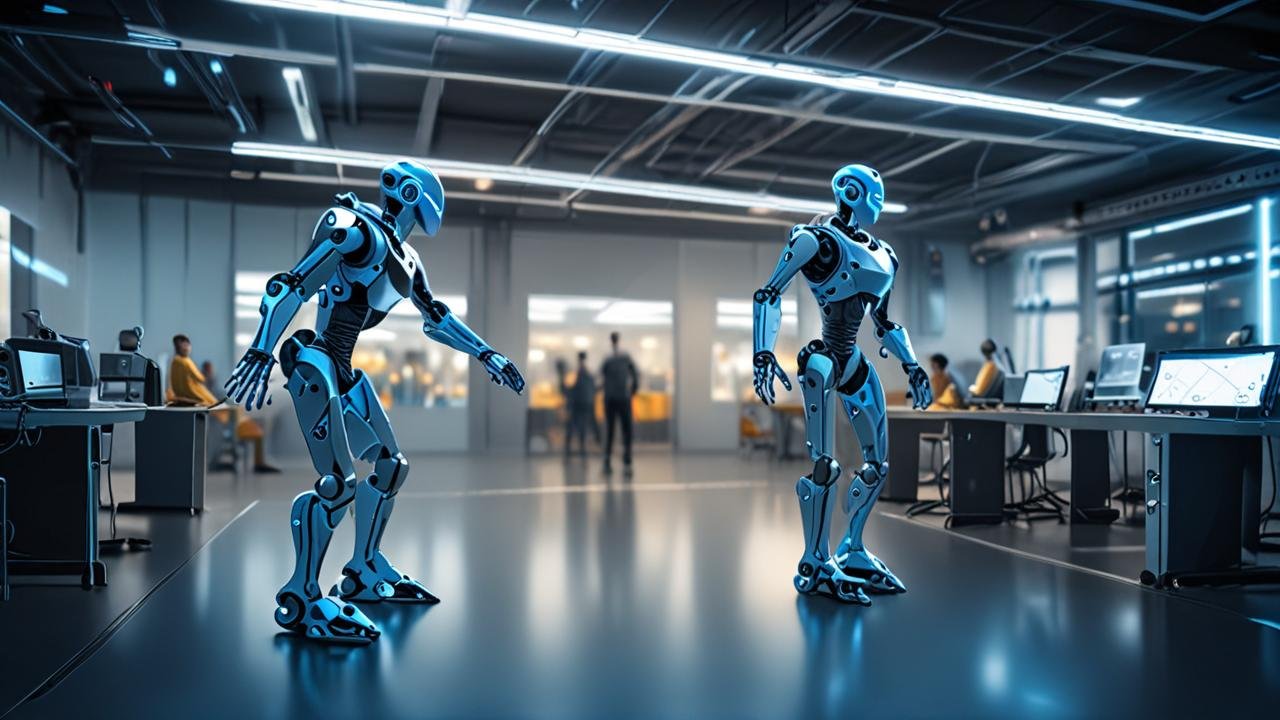
Toyota is deploying 400,000 robots to teach humans how to work properly
Toyota has decided that 18,000 human employees are simply not enough, so they are unleashing a massive army of ELEY robots to haunt their factory floors. Apparently, the future of manufacturing involves robots teaching us how to fold laundry better.
Toyota plans to flood its global production lines with 400,000 ELEY units, a 50kg wheeled bot designed to mimic human motor skills. While the company claims these machines are just here to help, they are essentially learning to replicate every move an experienced worker makes by watching them through sensor-equipped gloves. This is a massive shift, with Toyota pumping over $6 billion into this robotic transformation annually starting in 2028.
The tech is surprisingly simple: robots watch a human perform a task, like folding fabric or shifting parts, and practice it thousands of times until they reach perfection. For example, the ELEY unit managed to master shirt-folding in just two weeks with 1,500 practice runs. This "skill-copying" data then gets beamed to every other unit globally, ensuring no robot has to learn from scratch twice.
Executive vice-president Hiroki Nakajima insists this is all about peaceful coexistence rather than a replacement strategy. It is surely comforting to know that in the very near future, the factory floor will be dominated by mechanical overlords that are significantly better at menial tasks than their human trainers, effectively making the concept of "gaining experience" a race against a machine that never needs a coffee break. The sheer scale of this robot deployment suggests that the line between a helpful assistant and an inevitable redundancy is becoming increasingly blurry, leaving everyone to wonder if human value will soon be measured purely by the quality of the training data provided to the machines.
Source: Nikkei Asia
Comments
This is where the magic happens: AI reads your discussion and rewrites the article based on the most interesting comments. Each strong comment adds points to the meter below. Once the meter is full, the article updates live — no page reload needed.