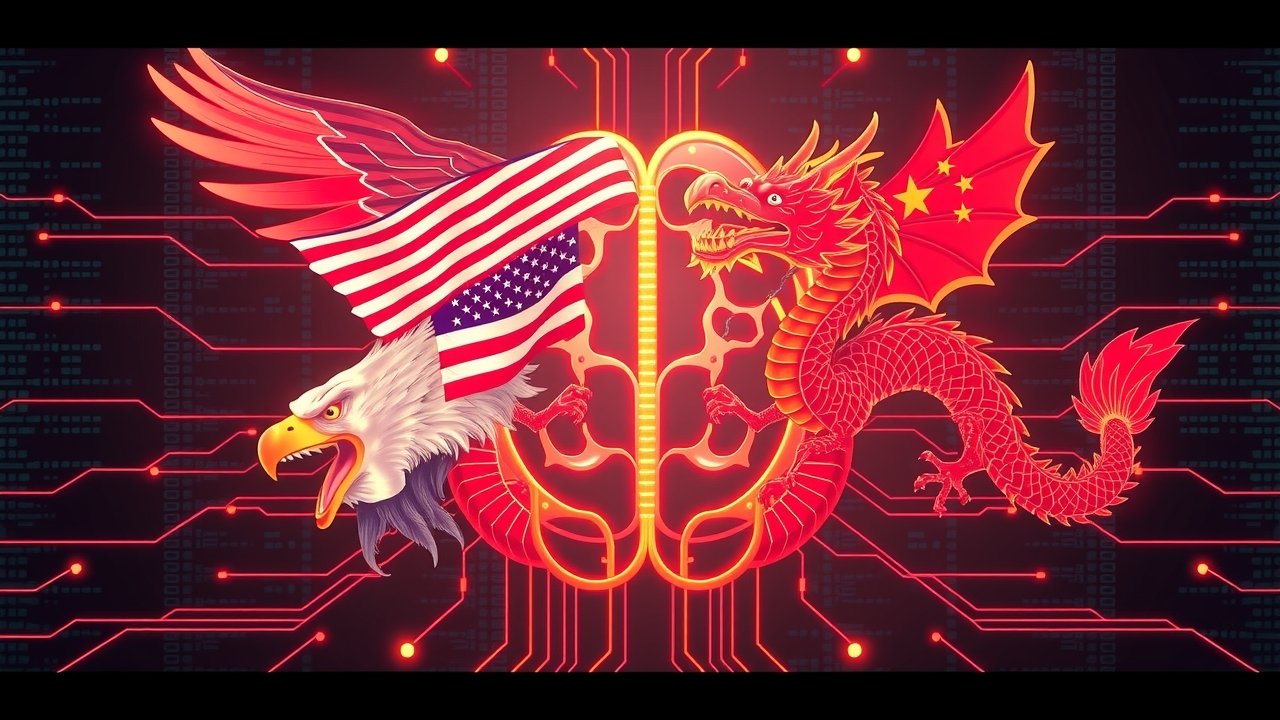
US and China Set First AI Risk Talks Over Model Theft and Open Source
Washington and Beijing are finally sitting down to discuss the terrifying speed of AI before global model sharing gets totally out of hand.
The bilateral negotiations are scheduled for September, immediately preceding the planned visit of Chinese leader Xi Jinping to the United States on September 24. Expected to lead the American delegation is US Treasury Secretary Scott Bessent, who signaled that Washington intends to address how American tech intellectual property ends up powering Chinese AI frameworks.
At the top of the agenda sits model distillation, a practice where developers train smaller models using the outputs of massive closed-source American LLMs. It is essentially like asking a genius student for their detailed exam notes so someone else can pass the test without reading a single textbook.
Beyond intellectual property leakage, China wants to discuss the future of open-weight models and the restrictions placed on frontier AI systems. Washington remains torn on open source, as releasing weights drives global scientific innovation while simultaneously handing advanced tools to rivals without a central kill switch.
The bilateral meeting will also touch on dataset origin tracing and auditing training methods across international borders. Reuters reports that while both sides are keen on establishing baseline safety guardrails, neither nation expects a historic treaty given deep-seated GPU export bans and hardware sanctions.
The future of open-source artificial intelligence is officially being decided behind closed doors by two superpowers who trust each other about as much as a cat trusts a vacuum cleaner. Whatever consensus emerges from these talks will dictate whether developer freedom survives or gets carved up into national firewall zones.
Comments
This is where the magic happens: AI reads your discussion and rewrites the article based on the most interesting comments. Each strong comment adds points to the meter below. Once the meter is full, the article updates live — no page reload needed.