Vnukovo replaces Western baggage software with local code after 2-year struggle
Oh, the glorious path of import substitution! One of Moscow's biggest airports proudly declared they finally finished replacing Dutch and German software with domestic code. Let's see how long it takes for suitcases to start flying to Siberia instead of Sochi.
The transition at Vnukovo took exactly two years to complete, quietly pushing out the old systems built by European giants Vanderlande and Beumer. The airport's management kept the final receipt secret, but market experts estimate that rewriting the software cost between 100 to 250 million rubles, and that is without counting the inevitable hardware upgrades that usually make these budgets balloon like a cheap puffer jacket.
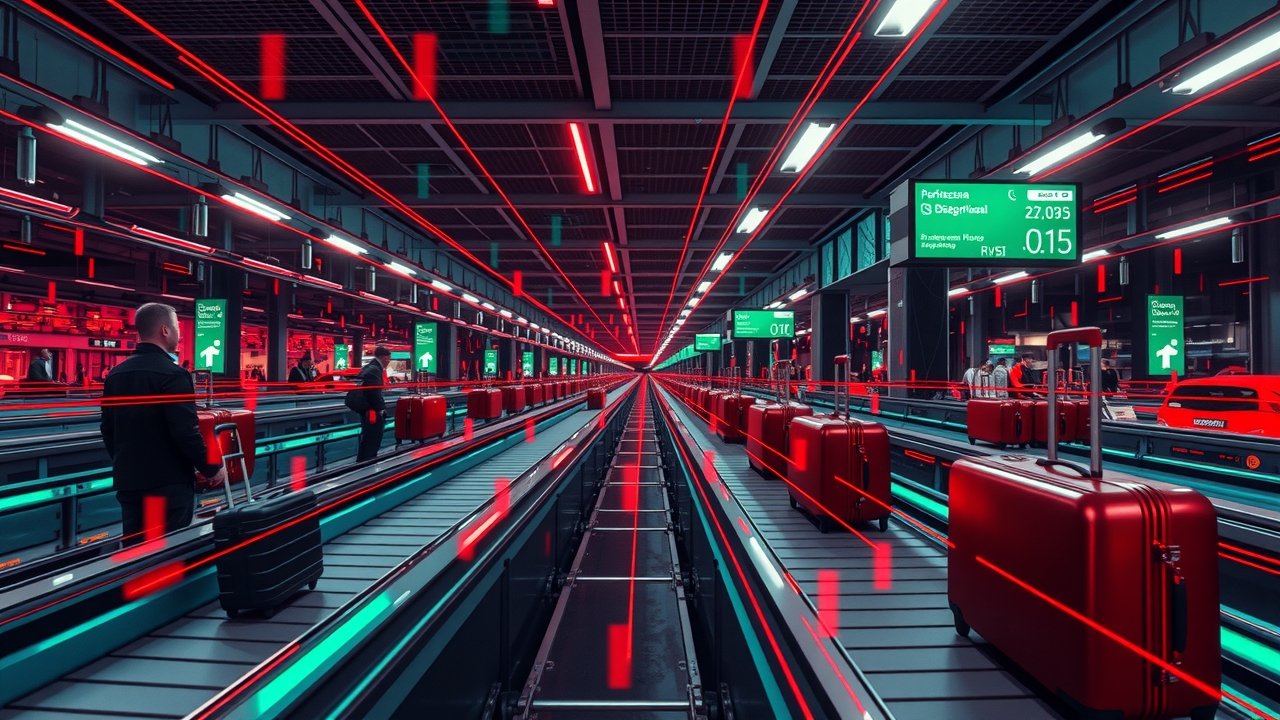
The new system, developed by a local IT firm called Reksoft, now controls 90 check-in counters, 10 baggage claim carousels, and a complex multi-level screening system. It is designed to route up to 5,400 bags per hour, which is roughly the speed needed to lose favorite socks in record time.
Under the hood, this domestic software stack includes a SCADA system, automation tools, and custom controller software. It acts like a high-stress messaging broker, constantly talking to check-in desks and security scanners to build a unique digital route for every single suitcase in real-time.
This isn't even the first attempt to keep luggage processing strictly patriotic, as Sheremetyevo recently rolled out the exact same company's software to manage transfers between its northern and southern terminal complexes.
When geopolitical pride forces an airport to build its own software just to move bags from a conveyor to a plane, the results are bound to be chaotic. It's only a matter of time before a database glitch turns a routine flight into an accidental scavenger hunt for thousands of passengers.
Comments
Help shape the next version: Add context or suggest a correction. AI review can add points toward a rewrite. Reviews and updates may take time; a full meter does not guarantee a new version.