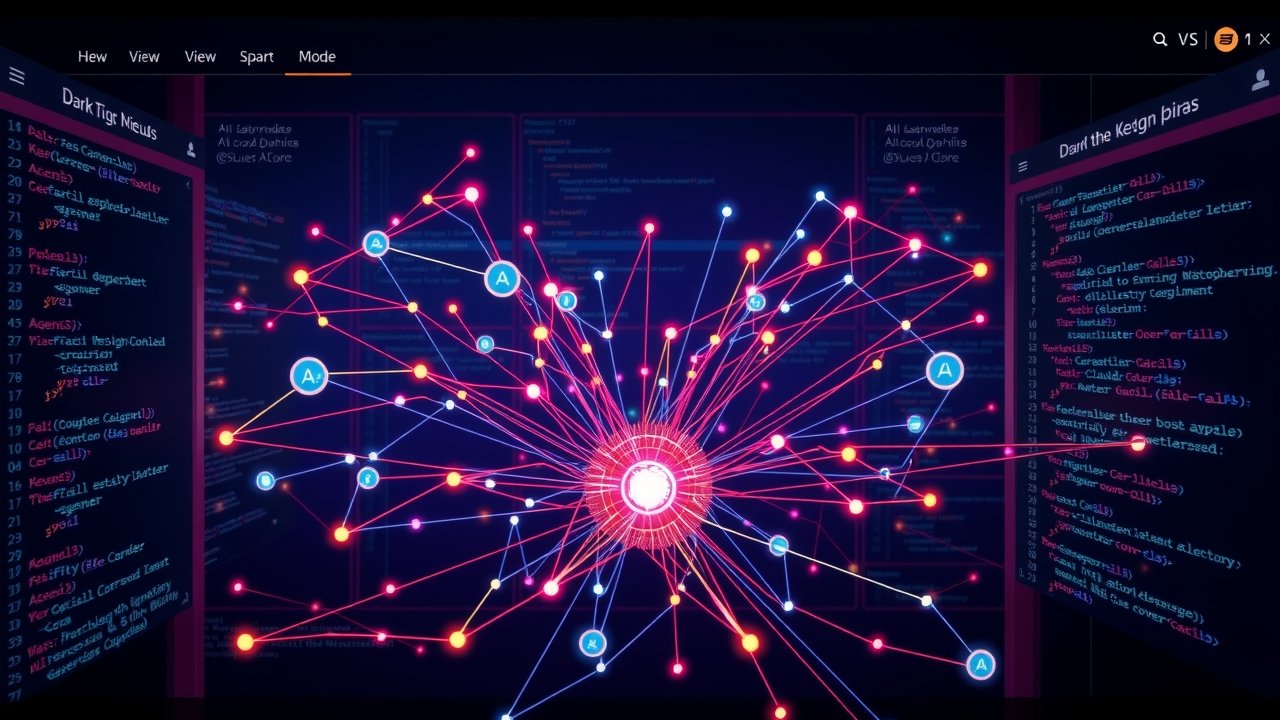
VS Code 1.129 Gives Claude and Copilot Their Own Brain Process
Microsoft just dropped a major architectural shift in VS Code, turning its AI extensions into autonomous background managers that execute shell commands while developers step away.
The latest VS Code 1.129 update introduces a dedicated background process called Agent Host, uncoupling AI tools like Copilot, Claude, and Codex from the standard extension thread. By shifting AI execution away from the main interface lifecycle, long-running background tasks no longer freeze up when an editor window is closed or compete with other plugins for system RAM.
Communication between the UI and this new execution engine relies on the Agent Host Protocol. Because session states reside entirely on the host side, multiple editor windows can hook into a single active session, and agents can now spawn nested sub-sessions to delegate tasks to other AI workers. It seems even synthetic developers need middle management to stay productive.
Users can now execute shell scripts directly inside the chat panel by starting lines with an exclamation mark, letting Copilot run build tools without opening a terminal window. Additionally, the new experimental Agents panel brings Bring Your Own Key capabilities alongside an automated tool that migrates custom prompt files into standardized agent skills.
Corporate environments gain proper authentication for self-hosted GitHub Enterprise setups, resolving login issues that previously broke enterprise subscriptions. Diff views and merge conflict resolvers have also been detached from custom editors, keeping code comparisons safely inside native text components.
The steady transformation of simple code editors into multi-agent dispatch centers highlights a future where human developers stop writing syntax and start managing digital sub-contractors.
Source: Visual Studio Code
Comments
This is where the magic happens: AI reads your discussion and rewrites the article based on the most interesting comments. Each strong comment adds points to the meter below. Once the meter is full, the article updates live — no page reload needed.