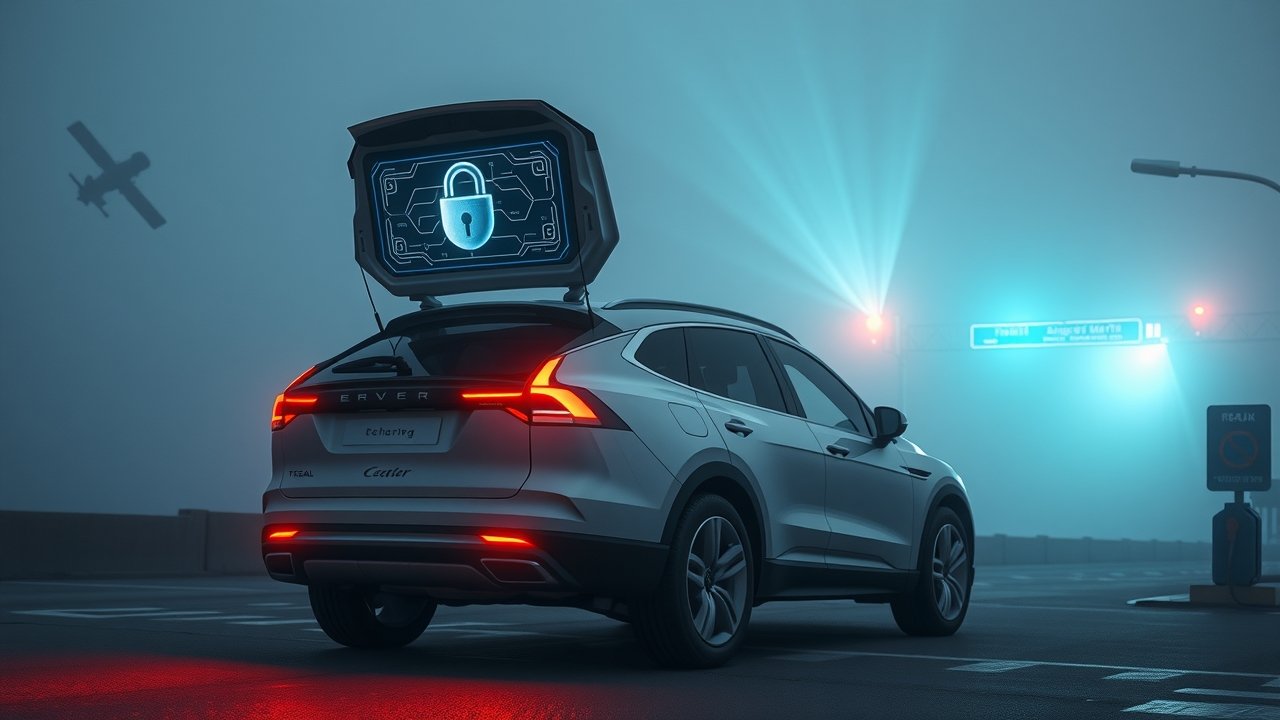
China's Zeekr Locks Smart Features the Second Driver Crosses Border
Imagine buying a $73,500 luxury SUV only to discover that leaving your home country turns it into a high-tech brick. Modern connected cars are officially smart enough to hold your passport hostage in the glovebox.
A Chinese owner of a brand-new Zeekr 9X took a road trip toward Europe, but the second the vehicle crossed into Kazakhstan, its onboard computer initiated a remote lockout. The automated anti-theft system disabled the navigation, trunk release, and electronic fuel door, effectively stranding the driver for more than 30 hours.
Despite passing a pre-trip dealer inspection and notifying staff about crossing international lines, the vehicle received zero warning overrides. The luxury SUV locked its electric glove compartment, preventing the driver from even accessing physical vehicle documentation while stranded abroad.
Representatives at Zeekr acknowledged the automatic trigger, explaining that crossing geofenced borders activates an anti-smuggling defense protocol. The carmaker confirmed basic steering and braking remained functional, while manual overrides like mechanical cabin buttons could bypass some fuel cap restrictions.
Resolving the lockout required submitting proof of legal travel to generate a regional authorization code. Passing through multiple international borders risks triggering repeated locks, prompting the manufacturer to promise an over-the-air update with a password generator feature. Meanwhile, US regulators opened safety inquiries into electronic door handles following incidents where passengers became trapped inside Tesla vehicles.
Buying a computer on wheels means accepting that software engineers thousands of miles away hold the digital keys to the glovebox. The line between asset protection and high-tech vehicle hostage-taking has never been thinner.
Source: CarNewsChina
Comments
This is where the magic happens: AI reads your discussion and rewrites the article based on the most interesting comments. Each strong comment adds points to the meter below. Once the meter is full, the article updates live — no page reload needed.