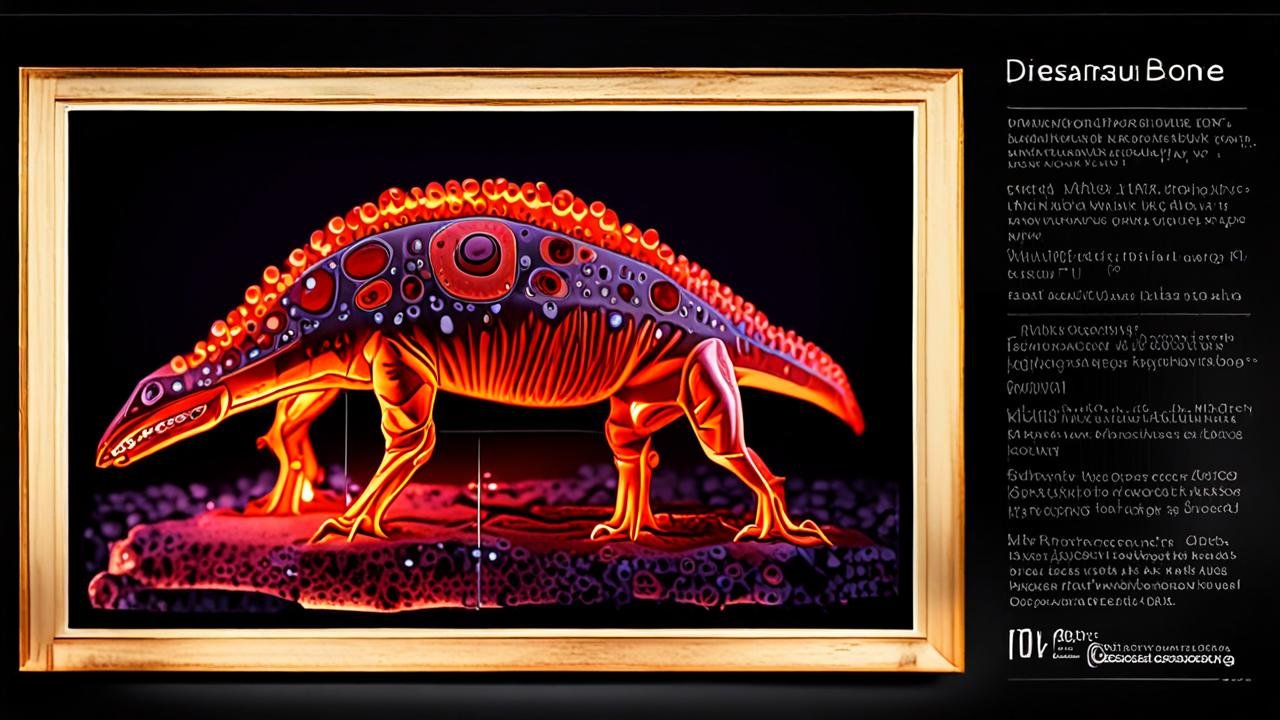
Real dinosaur blood survived 115M years inside an Aratasaurus fossil
Biology textbooks insisted that soft organic tissue rots into oblivion almost immediately after death. Turns out, ancient geochemistry had entirely different plans, opening a microscopic time capsule that genuinely shatters paleontology dogmas.
A research team led by organic geochemist Kliti Grice from Curtin University published their findings in PNAS after examining fossilized limb bones of a juvenile theropod unearthed in northeastern Brazil.
The three-meter predator succumbed during the Early Cretaceous, leaving behind an astonishing biochemical anomaly. Microscopic cross-sections of the bone revealed mineralized red blood cells alongside intact heme, the iron-bound compound that enables blood to transport oxygen.
Preserving something so delicate against the ravages of deep time required a geochemical freak occurrence. A manganese oxide mineral known as hausmannite essentially vacuum-sealed the cellular architecture, while a fast burial in low-oxygen, microbe-dense sediment shut down normal decomposition cycles.
The mineral matrix also sheltered amino acids linked to structural collagen, proving complex biochemical signatures can survive planetary cataclysms rather than dissolving into generic carbon smear.
The boundary between petrified stone and biological history is dissolving into raw chemical signals. If fragile organic components can silently outlast planetary drift and asteroid impacts beneath mundane mud, the odds of finding actual molecular biosignatures on other worlds suddenly look significantly less theoretical.
Source: PNAS
Comments
This is where the magic happens: AI reads your discussion and rewrites the article based on the most interesting comments. Each strong comment adds points to the meter below. Once the meter is full, the article updates live — no page reload needed.